APRIL DAWN

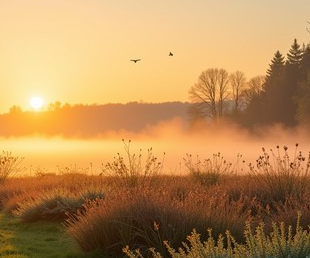
“APRIL DAWN” is a lyrical free verse poem centered on renewal, intimacy, and emotional rebirth, carrying the tone of a quiet devotional or love lyric. This piece feels tender, hopeful, and restorative, with a gentle voice that speaks through reverence rather than anguish. The poem’s greatest strength is its musical softness, with repetition creating a soothing refrain that frames the speaker’s awakening as both emotional and spiritual. Seasonal imagery functions effectively as metaphor. The language is restrained and uncluttered, allowing warmth and sincerity to emerge naturally. Particularly compelling is the poem’s ability to suggest transformation without dramatizing it; the awakening feels gradual, earned, and deeply human. Written for the “A Shattered Cup of Doom” novella, this poem appears in the “First Shards of Broken Glass” chapbook.

“APRIL DAWN”

smile, she says,
and so this awakens
so bright, so warm,
she rises softly,
a prayer aloft for the heavens beyond
this april dawn,
she calls for me
to come along,
and spite the weathered wear
of our wintry miles.
smile, she says,
smile and we are there
and so this awakens

Copyright © 2026 Robert Myrnyj | All rights reserved.
The poems and literary works presented here are original creations by the author.
Unauthorized copying, reproduction, distribution, modification, or public display of this
content is strictly prohibited without the prior written permission of the copyright owner.
STARS UPON THE NIGHT

“STARS UPON THE NIGHT” is a dark lyrical narrative poem that blends elements of confessional poetry, folk balladry, and Southern Gothic storytelling. The tone is mournful, suspicious, and emotionally bruised, carrying an undercurrent of betrayal that deepens as the speaker wrestles with a particular woman’s dishonesty and the collapse of trust. The voice is one of the poem’s greatest strengths: intimate, rhythmic, and musical, with the refrains giving the piece a song-like cadence that reinforces obsession and emotional fixation. The poem’s strongest qualities are its memorable repetition, evocative phrasing, and ability to sustain tension between accusation and uncertainty. Particularly effective is the contrast between cosmic imagery and raw colloquial bitterness, which gives the poem emotional texture and originality. As a newly written poem for the “A Shattered Cup of Doom” novella, it has not yet been assigned to a chapbook.

“STARS UPON THE NIGHT”

molly swore me to her secrets
and shackled to this dark request
i hear her
spinning gold, a treasure chest
of circumstantial evidence
i hear her

molly told me, but molly lied
she told me she told him goodbye
i saw what i saw, but still she denies
molly told me, but molly lied

what, by god, is wrung from right
how many tears to blur the sight
the fates pin stars upon the night
distant so, can’t taste the light

and even though she told me so
she has lost my trust, i fear
i keep her basted in my doubt
the things she wanted me to hear

molly, molly, sugar cain
she roams the darkest depths, unchained
what good a man, de-balled, de-brained
even she, herself can’t say

Copyright © 2026 Robert Myrnyj | All rights reserved.
The poems and literary works presented here are original creations by the author.
Unauthorized copying, reproduction, distribution, modification, or public display of this
content is strictly prohibited without the prior written permission of the copyright owner.
FUNNY MAYBE

“Funny Maybe” is a strong, thematically dense lyric poem that blends anti-romantic confession with folk-blues cadence. A reflective poem of a love lost, it maintains a sharp tension between trauma and divine order as principle factors in romance, where only wisdom prevails, but the source of wisdom is God, who many ignore or deny. Written for the “A Shattered Cup of Doom” novella, this poem appears in the “Third Shards of Broken Glass” chapbook.

“FUNNY MAYBE”

romance is a double-edged
sword of bliss and pain
what one day finds sophisticated
another finds insane
i met her on the road to torment
dancing in the rain
funny how its feast or famine
funny how things change

i learned the hard way long ago
and true the light remains
a man can stand tall in a storm
a boy gets washed away
i was never not the fool
up to wisdom, faith and grace
so what fool any better than
the one so blind to his own face

they say the road to hell’s so wide
that we need never know the way
just what we’re apt to think and do
will surely get us there someday
by god i did not die the fool
by god all things made new again
lest i’d forever be beneath
her spell and tethered to her fate

her wrath was bred for so she said
on trauma no one sane could face
and so averse, she to the curse,
castrated patriarchal ways
and there the seed, revenge and rage
into the dirt of dark decay
stretched a hand out to the moonlight
that predator might become prey

but for suitors woe was but a ruse
a pagan priestess yet a saint
and all for good that it harm none
but such it is until it ain’t
no light true is born of darkness
no good comes from bitter hate
and yet the line runs round the corner
where in the rain so many wait

i met her on the road to torment
planting roses in a vase
funny how it keeps repeating
funny, maybe, surely strange
one sure thing a fool will do
is take up arms, defend her name
a knight in shining armor, no
just icarus into the flame

Copyright © 2026 Robert Myrnyj | All rights reserved.
The poems and literary works presented here are original creations by the author.
Unauthorized copying, reproduction, distribution, modification, or public display of this
content is strictly prohibited without the prior written permission of the copyright owner.

AFTERMATHEMATICS

“AFTERMATHEMATICS” is a confessional narrative poem blending neo-beat realism, dark lyrical storytelling, and contemporary tragic balladry. The poem’s greatest strength lies in its emotionally raw voice and its ability to balance intimate confession with mythic undertones. Through compact, conversational lines and recurring invocations, the poem creates the feeling of a witness account delivered somewhere between testimony, memory, and lament. Its language remains direct and unornamented, which gives the heavier subject matter a stark authenticity. Strong rhythmic repetition, internal rhyme, and spoken cadence give the piece the quality of a modern folk confession or underground torch song. The poem succeeds as a haunting meditation on trauma, intimacy, memory, and the difficult mathematics of human attachment. This poem is is included in the novella “A Shattered Cup of Doom.”, but is newly written and has not yet been assigned to a chapbook.

“AFTERMATHEMATICS”

molly swore me to her secrets
and dumps her mess with no regrets
i hear her
she lays a hand upon her chest
and by these truths she does attest
i hear her

molly told me that december
fire smoldered down to ember
when her man demand she sever
bastard child bond forever

what, by god, do mothers see
when cleavered clean from their baby
then in accord with destiny
aftermathematically
she left that man and turned to me

i know because she told me so
the numbers, names, her every tear
i could write a book about
the things she wanted me to hear

molly blue, the bitter queen
the darkness yet holds truths unseen
i wonder might there come a day
even she, herself can’t say

Copyright © 2026 Robert Myrnyj | All rights reserved.
The poems and literary works presented here are original creations by the author.
Unauthorized copying, reproduction, distribution, modification, or public display of this
content is strictly prohibited without the prior written permission of the copyright owner.

TEARDROPS TWO

“TEARDROPS TWO” is best categorized as a lyrical contemporary poem blending romantic elegy, dream pop surrealism, and refrain-based confessional verse with strong musical and song-like qualities. Its language is simple yet emotionally charged, creating an atmosphere that feels intimate, wistful, and electrically surreal at once. The alternating dedications establish a mirrored structure that reinforces themes of reciprocity, separation, identity, and emotional exchange. The repetition functions musically rather than redundantly, producing a soft rhythmic pulse that resembles a melancholic ballad or synth-pop lyric. As a newly written poem for the “A Shattered Cup of Doom” novella, it has not yet been assigned to a chapbook.

“TEARDROPS TWO”

teardrops, two,
electric blue
one is for me,
reborn and renewed
the one you inspired
to rise from the gloom
this one is for me,
and the other for you

teardrops, two,
electric blue
one is for you,
the supercharge queen
the one with too many
to choose, in between
this one is for you,
and the other for me

teardrops, two,
in a bottle on the sand
once upon a time
i held the lightning in my hand

teardrops, two,
electric blue
one is for me,
the one tried and true
the one who constructed
a folklore undue
this one is for me,
and the other for you

teardrops, two,
electric blue
one is for you,
the one i set free
the one with those eyes,
yet too blind to see
this one is for you,
and the other for me

teardrops, two
in a bottle on the bay
once upon a tide
i watch the lightning drift away

Copyright © 2026 Robert Myrnyj | All rights reserved.
The poems and literary works presented here are original creations by the author.
Unauthorized copying, reproduction, distribution, modification, or public display of this
content is strictly prohibited without the prior written permission of the copyright owner.

HELL AND EGYPT (REPRISE)

This poem, the continuation and stark follow-up to the longer “Hell and Egypt”, is likewise a lyric narrative within the gothic and confessional genres, having strong elements of ballad and theological complaint. Its central theme is the trafficking and abandonment of a child by a mother who herself had been sent off as a baby. It speaks subtly to the notion of generational curse under the horrible torrent of grave misfortune. Written for the “A Shattered Cup of Doom” novella, this poem appears in the “Second Shards of Broken Glass” chapbook.

“HELL AND EGYPT (REPRISE)”

she was sworn to not reveal
that she had been the devil’s whore
and so her wrath and agony
is shade upon the boy she bore

and so the shadow falls on him
she left him lying there alone
who allowed this to occur
she left her baby on the stone

she sold him off to hell and egypt
her running blood, her like, her kind
like some cold slab of bovine carcass
and she rode off, left him behind

she sold him off to hell and egypt

Copyright © 2026 Robert Myrnyj | All rights reserved.
The poems and literary works presented here are original creations by the author.
Unauthorized copying, reproduction, distribution, modification, or public display of this
content is strictly prohibited without the prior written permission of the copyright owner.
CAULDRON

This poem is a lyric narrative within the confessional and trauma poetry genres, with strong elements of gothic balladry. Its central theme is the aftermath of rape-induced pregnancy and the impossible choice forced upon a survivor who was left with child of her offender. The poem explores maternal sacrifice, theological rage, and the enduring, unquantifiable depth of suffering. The voice is a first-person confidant and witness, attentive, present, and ultimately humbled by the immensity of the struggle shared with him. Structurally, the poem employs a recurring refrain structure across five stanzas, with repeated lines creating a ritualistic, almost liturgical rhythm. Striking imagery abounds. The poem’s theological question hangs unanswered, reinforcing the speaker’s helplessness. This poem is is included in the novella “A Shattered Cup of Doom.”, but is newly written and has not yet been assigned to a chapbook.

“CAULDRON”

molly swore me to her secrets
draws the curtain to confess
i hear her
pandora opens up her chest
and tries to bring her heart to rest
i hear her

molly told me that november
that her soul became dismembered
when the savage ravage rendered
her with child of her offender

the bird gets worse, the more it sings
a mother forced to cut her strings
to leave her own to what fate brings
what kind of god would do these things

i know because she told me so
the numbers, names, her every tear
i could write a book about
the things she wanted me to hear

molly the princess of pains
the darkness of those days remains
how deep the cauldron of her bane
even she, herself can’t say

Copyright © 2026 Robert Myrnyj | All rights reserved.
The poems and literary works presented here are original creations by the author.
Unauthorized copying, reproduction, distribution, modification, or public display of this
content is strictly prohibited without the prior written permission of the copyright owner.
HELL AND EGYPT

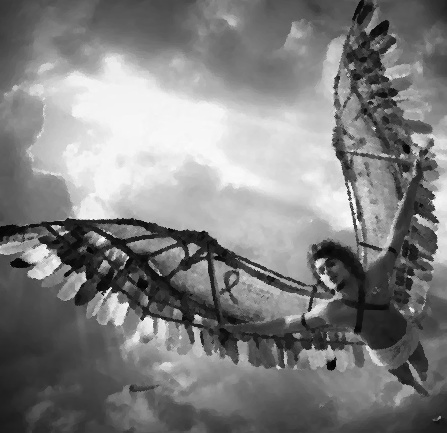
This poem is a lyric narrative within the gothic and confessional genres, with strong elements of ballad and theological complaint. Its central theme is the trafficking and abandonment of a woman, the subsequent shattering of her faith, and her defiant but self-destructive turn toward forbidden love. The poem also explores inherited trauma and the seemingly unanswerable question of why darkness befalls the innocent. The voice is a third-person omniscient narrator who shifts between anguished witness, theological interrogation, and tragic chronicler of the woman’s internal collapse. Structurally, the poem unfolds across eight stanzas of irregular length, mixing quatrains and couplets. Repetition of key phrases creates a refrain-like meditation on desire, suffering, and divine silence. The title phrase suggests both a literal place of exile and a biblical resonance, with Egypt as the land of bondage and hell as ultimate abandonment. The woman’s rejection of God and her choice to lie beside “a priestess of deceit” frames her rebellion as both liberation and damnation, symbolized by quicksand imagery. Written for the “A Shattered Cup of Doom” novella, this poem appears in the “Second Shards of Broken Glass” chapbook.

“HELL AND EGYPT”

they sold her off to hell and egypt
her running blood, her like, her kind
like some cold slab of bovine carcass
and they rode off, left her behind

who set her naked on the stone
and who allowed this to occur
who left her lying there alone
why did this shadow fall on her

and what, dear lord, in darkness breeds
the heart it wants and the heart it needs

she swore to hell and heaven then,
with hand on heart, forevermore
that this would never be as such
no not again, no never more

and so forwent, and then she severed
whatsoever ties and binds
even unto god most high
and then, again, and for all time

for he allowed this woe to be
who tames the storms and calms the seas
they say he sees our darkest thoughts
and hears our cries, our prayers, our pleas

but she chose not their ancient one
in vain, she deemed him obsolete
and chose instead to lie in bed
beside a priestess of deceit

but the moonlight whispers marking time
the quicksand of her very sin
and though the kicking of her legs
she drifts and sinks much deeper in

she was sworn to not reveal
that she had been the devil’s whore
and so her wrath and agony
is shade upon the boy she bore

the heart it wants and the heart it needs
but what, dear lord, does darkness breed

Copyright © 2026 Robert Myrnyj | All rights reserved.
The poems and literary works presented here are original creations by the author.
Unauthorized copying, reproduction, distribution, modification, or public display of this
content is strictly prohibited without the prior written permission of the copyright owner.

IRON MAIDEN

This poem is a lyric narrative in the confessional and trauma poetry genres, with gothic undercurrents. Its central theme is the aftermath of sexual violence and the profound, shattering psychological damage inflicted upon a survivor. The poem also explores the role of the empathetic witness who bears the weight of her confession. The voice is a first-person confidant and listener. This speaker is compassionate, physically attuned to the distress, and ultimately resigned as helpless to wash away the stain of what occurred. Structurally, the poem uses a repetitive, chant-like form across five stanzas, with recurring lines that create a ritualistic, almost mournful incantation. The closing stanza acknowledges the limits of healing: The title, “IRON MAIDEN,” creatively evokes both the medieval torture device and an image of a heart turned into a locked, punishing cage. Written for the novella “A Shattered Cup of Doom,” “Iron Maiden” is newly produced has not yet been assigned to a chapbook.

“IRON MAIDEN”

molly swore me to her secrets
i give my best and nothing less
i hear her
her heartbeat staggers in her chest
a shimmery star amulet
i hear her

molly told me that october
a horrid tale she won’t get over
how once a stranger got to know her

what, by god, might a heart do
iron fisted, torn, abused
overdriven insane, bruised
what, by god, might a heart do

i know because she told me so
the numbers, names, her every tear
i could write a book about
the things she wanted me to hear

molly, molly, made insane
the darkness of that night remains
how many tears might lift the stain
even she, herself can’t say

Copyright © 2026 Robert Myrnyj | All rights reserved.
The poems and literary works presented here are original creations by the author.
Unauthorized copying, reproduction, distribution, modification, or public display of this
content is strictly prohibited without the prior written permission of the copyright owner.
MOLLY BLUE

“Molly Blue” is a lyric narrative blending confessional poetry with ballad-like repetition and elegiac tone. Its central theme is the burden of bearing another’s trauma and painful secrets. The voice is a first-person listener and confidant, someone to whom Molly has “sworn” her secrets. The speaker oscillates between tender witness, helpless chronicler, and mourner. Structurally, the poem shifts between rhythmic quatrains and shorter refrain lines. The repetition creates an incantatory effect. The final stanza introduces unresolved mystery, suggesting that some wounds resist articulation, even by the one who lived them. The imagery grounds the ethereal pain in physical, almost noir detail. This poem was written for the novella “A Shattered Cup of Doom,” and being newly produced, it has not yet been assigned to a chapbook.

“MOLLY BLUE”

molly swore me to her secrets
i guess to test, but nonetheless
i hear her
and getting something off her chest
a haze of menthol cigarettes
i hear her

molly told me that september
she so young, she can’t remember
how once upon a time, forever
to other arms, her soul surrendered

what, by god, in moonlight shown
cleavered clean from all she’d known
abandoned, set adrift, alone
what, by god, in moonlight shown

i know because she told me so
the numbers, names, her every tear
i could write a book about
the things she wanted me to hear

molly, molly, child estranged
the darkness of that night remains
what wind aloft might drive the rain
even she, herself can’t say

Copyright © 2026 Robert Myrnyj | All rights reserved.
The poems and literary works presented here are original creations by the author.
Unauthorized copying, reproduction, distribution, modification, or public display of this
content is strictly prohibited without the prior written permission of the copyright owner.
MOLLY BLACK

This poem is a lyric incantation, drawing on the traditions of chant, folk magic, and gothic verse. Its central theme is the summoning of forbidden or dangerous feminine power, blending erotic obsession with spiritual transgression. The voice speaks in imperative commands within a ceremonial circle. The tone is hushed, urgent, and reverent, building toward the whispered climax of the curse. Structurally, the poem consists of heavy internal rhyme and near-rhyme that mimics the repetitive nature of spellcasting. The juxtaposition of sacred imagery with profane or transgressive language aligns with the “A Shattered Cup Of Doom” novella’s recurring tension between salvation and damnation. Originally titled “Draw Down The Moon”, “Molly Black” appears as a snapshot in the “First Shards of Broken Glass” chapbook.

“MOLLY BLACK”

open the circle,
open the door,
draw down the moon,
draw out the whore.
the greenwood floor,
the quarters, four,
the witch, she whispered
the curse d’amour

Copyright © 2026 Robert Myrnyj | All rights reserved.
The poems and literary works presented here are original creations by the author.
Unauthorized copying, reproduction, distribution, modification, or public display of this
content is strictly prohibited without the prior written permission of the copyright owner.
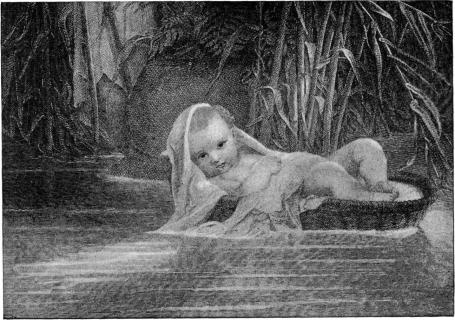
CHURCH TO ME

“Church To Me” is a lyric poem with strong elements of spiritual skepticism and romantic devotion, blending confessional and secular hymn traditions. Its central theme is the replacement of institutional religion with a beloved person as the locus of transcendence, grace, and moral reckoning, without requiring faith in God, heaven, scripture, or organized worship. The voice is a first-person speaker who is unapologetically flawed, agnostic, and self-deprecating, yet experiences the beloved as a sacred presence. Structurally, the poem uses a repeated refrain across five quatrains, each rejecting a traditional religious element before affirming that the woman’s supernatural quality provokes the same awe, sanctuary, and moral gravity as church. The language is plain, rhythmically steady, and undercut by earthy imagery that grounds the spiritual claim in bodily, lived experience. Written for the “A Shattered Cup of Doom” novella, this poem appears in the “Second Shards of Broken Glass” chapbook.

“CHURCH TO ME”

i don’t pretend to be an angel
i’ve done my share of evil deeds
but something in her, supernatural
seems so much like church to me

i don’t intend to go to heaven
just roll my carcass to the street
but something in the air about her
seems so much like church to me

i don’t depend upon some jesus
cannot believe what i can’t see
but something in her eyes, like lightning
seems so much like church to me

i don’t attend saint paul’s on sundays
i naturally just oversleep
but somehow she’s my sanctuary
seems so much like church to me

i can’t defend the holy bible
i cannot reckon what it means
but something singing in her whisper
somehow seems like church to me

Copyright © 2026 Robert Myrnyj | All rights reserved.
The poems and literary works presented here are original creations by the author.
Unauthorized copying, reproduction, distribution, modification, or public display of this
content is strictly prohibited without the prior written permission of the copyright owner.
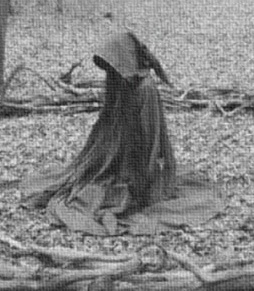
TIME AND TIME AGAIN

This poem is a lyric poem, with strong elements of confessional and gothic poetry. Its central theme is the cyclical nature of suffering and redemption—specifically, the journey from suicidal despair and imprisonment toward spiritual rescue through love. The voice is a first-person speaker, who oscillates between raw anguish and hard-won salvation. Structurally, the poem uses stark rhyme, repetition, and fragmented imagery to mimic obsessive thought and emotional relapse. A new work, “Time And Time Again” is not yet assigned to a chapbook.

“TIME AND TIME AGAIN”

the darkest night of all my days
mousetrap house rat in a maze
some angel shoulder old crow sings
one-eye jack go suicide king

the knight is still without the moon
lately death can’t come too soon
an ounce of cure, a pound of rock
beat the dead horse, beat the clock

marking time and time again
i’m living hell and back again
again and again
and again
again

the prison gate reverberates
scared straight date where fate awaits
lightning striking, hallowed hall
shadow creeping up the wall

she sat beside me on death row
her eyes a blue electric glow
my heart plugged into supercharge
the second hand remains at large

travel time and time again
i’m back from living hell again
again and again
and again
again

she stood to rise and took my arm
and led my spirit clear of harm
due time done did doing time
a simple love, a simple rhyme

energized amazed enthralled
her picture nailed onto the wall
the undeath of the valley stir
every time i think of her

Copyright © 2026 Robert Myrnyj | All rights reserved.
The poems and literary works presented here are original creations by the author.
Unauthorized copying, reproduction, distribution, modification, or public display of this
content is strictly prohibited without the prior written permission of the copyright owner.
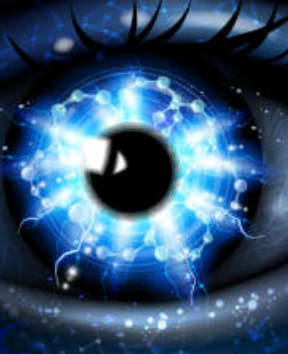
TWENTIETH & SIXTH

The mystical and darkly spiritual work called “Twentieth & Sixth” is something of a ghost story, a snapshot in the back story of the antagonist character in the “A Shattered Cup of Doom” novella. The poem is an Urban Gothic type with a note of Melancholic Lyrical that conveys the haunting memory of a particular crossroads and emanates from the battered psyche of one particularly troubled witch, an unlikely villain silently seething with vengeance and relentlessly nursing a vicious agenda. The poem is released in the “Third Shards of Broken Glass” chapbook.

“TWENTIETH & SIXTH”

lonelier, yet,
than just alone,
ghost of passion
bastard drone
undead adrift,
chained to a myth
of some church
twentieth and sixth
where some are born
and some are cloned
but all them boys
are turned to stone
the fruits of one
ecstatic kiss
all avenues
lead me to this

Copyright © 2026 Robert Myrnyj | All rights reserved.
The poems and literary works presented here are original creations by the author.
Unauthorized copying, reproduction, distribution, modification, or public display of this
content is strictly prohibited without the prior written permission of the copyright owner.
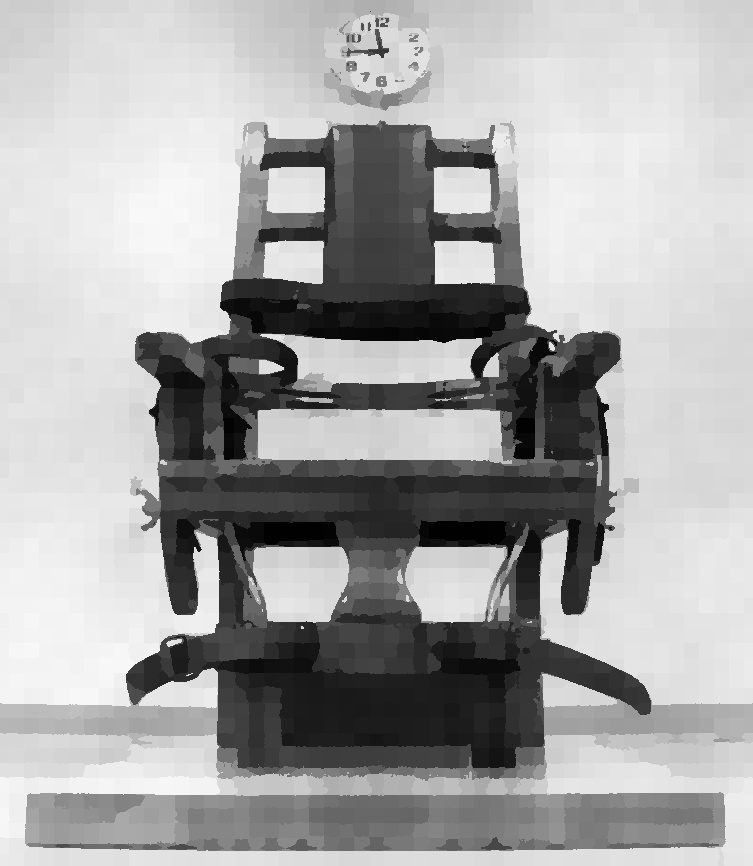
ALWAYS

The poem “Always”, although tiny in stature, packs a large structural punch that interlocks two souls in a single space in time, and for all time. It is an expression of the remnants of a doomed romance trapped in time, yet timeless, holding only the distant memory, maintaining no presence, and having no hope for any future. It is at once happy and sorrowful, at once triumphant and somber, and at once blessed and cursed. The poem is classified in the Lyric tradition while employing a distinctly minimalist and free verse style. A snapshot in the “A Shattered Cup of Doom” novella, it is released as a part of the “First Shards of Broken Glass” chapbook.

“ALWAYS”

always
there you are
in the place
that I
last left you
waiting
in the place
that you
last left me
forever
waiting
always and forever
there you are

Copyright © 2026 Robert Myrnyj | All rights reserved.
The poems and literary works presented here are original creations by the author.
Unauthorized copying, reproduction, distribution, modification, or public display of this
content is strictly prohibited without the prior written permission of the copyright owner.
ALL YOU KNOW

An example of Lyric Poetry, “All You Know” is a self-talk done in blues form. The words are taking the wisdom of a friend and instilling them as one’s own mantra of a new anti-discipline: letting oneself go. It is part of the narration character’s backstory in the “An Empty Cup of Doom” novella and appears in the “First Shards of Broken Glass” chapbook.

“ALL YOU KNOW”

when the clouds get heavy
don’t they rain
when the clouds get heavy
they just go ahead and rain
when the weight
of the world
is on your shoulders
and all you know is pain
you can cry
just like the clouds
you can cry

when the sun gets tired
don’t it sleep
when the sun gets tired
it just lays right down and sleeps
when the dark
of the night
falls upon your soul
and all you know is grief
lay to die
just like the sun
and let it die

maybe the moon will rise
maybe the stars will fall
when i look to the skies
i realize
after all this time
that i know nothing at all

when the clouds get heavy
don’t they rain

when the clouds get heavy
don’t they rain
when the clouds get heavy
they just go ahead and rain
when the weight
of the world
is on your shoulders
and all you know is pain
you can cry
just like the clouds
you can cry

Copyright © 2026 Robert Myrnyj | All rights reserved.
The poems and literary works presented here are original creations by the author.
Unauthorized copying, reproduction, distribution, modification, or public display of this
content is strictly prohibited without the prior written permission of the copyright owner.
GEE AND HAW

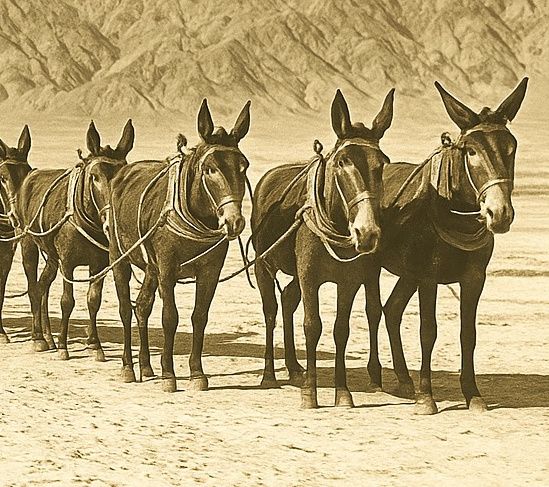
“Gee and Haw” is an anthropomorphic piece, at once nostalgically pastoral, romantically idyllic, traditionally Americana, and socially working class. Inspired by the legendary Twenty-One Mule Teams of the borax mines in Death Valley, the poem draws deeper into the story, back east to where the mules were bred, and how sweet was the life and inspired the dreams of the youth – once upon a time.

“GEE AND HAW”

i go back to limestone valley
don’t we all, by god, by now
through memory and blood and dreams
don’t we all, sometimes, somehow

the sunrise on the osage plains
sparkling dew drop prairie sprawl
the budding bluestem, green in spring
and switchgrass, in the summer, tall

the farmhouse, grand, ground to gables
and the stables there, once my home
and champions one and all were we
with a hundred acres fore to roam

and glory be the wondrous day
when i was five at fifteen hands
they rigged me collar, hames, and britchin
and put my passion to the land

and it was gee and it was haw
the plow was dropped the plow was drawn
and it was click-cluck getty up and whoa
the world forever turns as so

the spoils of our burden yet
behold, such fortune not our fate
we watched the setting sun burn down
in twilight by the paddock gate

and born for power over time
we are bred to pull our share
and when wherever morning comes
it shall be ours to toil there

and it is gee and it is haw
the plow is dropped the plow is drawn
and it is click-cluck getty up and whoa
this world forever turns as so

Copyright © 2026 Robert Myrnyj | All rights reserved.
The poems and literary works presented here are original creations by the author.
Unauthorized copying, reproduction, distribution, modification, or public display of this
content is strictly prohibited without the prior written permission of the copyright owner.
FOR ALL TIME

Written in 2026, “For All Time” is, in its beauty and wonder, perhaps the most unsettling poem in the dark and dreary realm of the “A Shattered Cup of Doom” novella. It is the linchpin that holds past, present, and future together as one and it is the burst of dawn following a deeply foreboding night. The warmth, the light, and the life of “For All Time” is both the beginning and the ending of the novella, the alpha and the omega. Though it registers with simplicity as Pastoral and Idyllic in tone, it is a very unique work that covers many poetic genres. In its constitution, “For All Time” is at once, Pastoral / Idyllic, strongly Lyric, certainly Romantic / Love Poetry to the fullest, very deeply Religious and Spiritual, and loosely but assuredly Narrative. It is presented in the “Third Shards of Broken Glass” collection, but also stands alone in dedication to the excellent wife that the LORD GOD blessed me with.

“FOR ALL TIME”

some time after dawn
a glaze of dew yet on the lawn
an old man and his pups
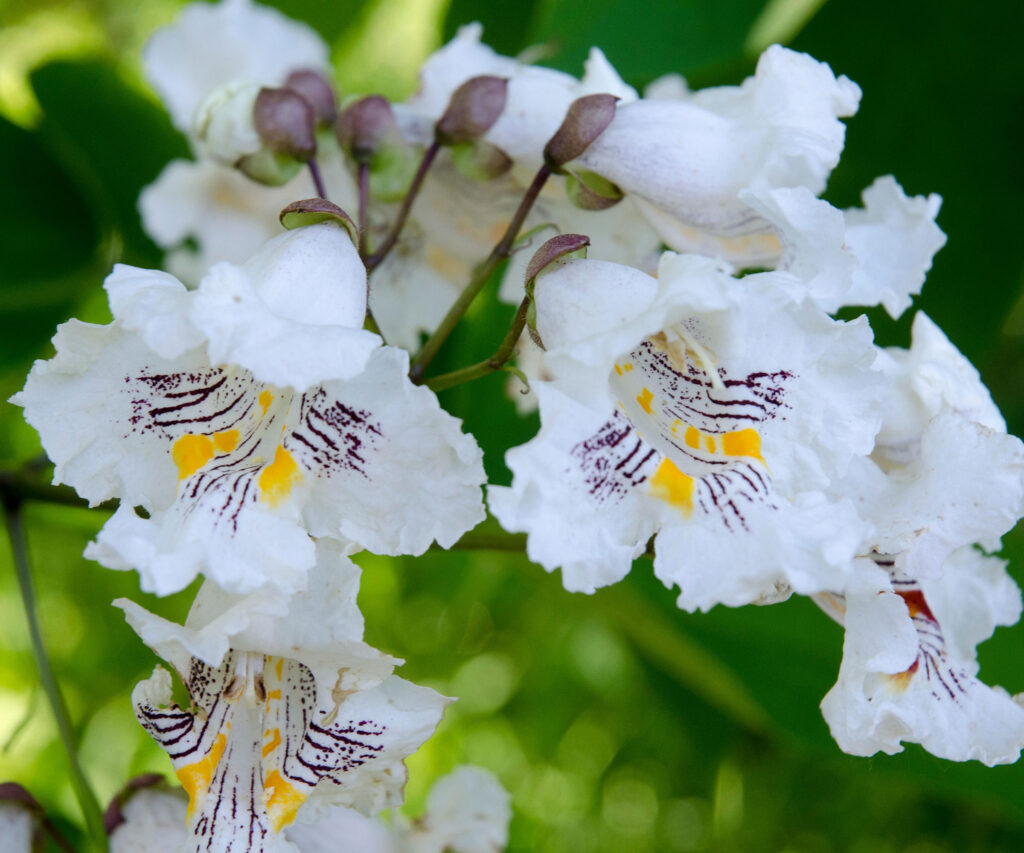
beneath the old catalpa tree
and the woman so fair
her blue eyes and golden hair
a kettle and two cups
she brings to him his morning tea

and god is good and god is kind
the peace of christ is peace of mind
and in her weary eyes he finds
his home, his hearth, his partner
for all time

in the noonday sun
he sees his course is not yet run
he has toiled not enough
to set his soul and spirit free
and the woman so fair
her blue eyes and golden hair
as he rolls up his cuffs
brings lemonade and levity

and god is good and god is kind
and blessed are the vows that bind
for in his weary eyes she finds
her home, her hearth, her partner
for all time

when the chains are loosed
the orpingtons come home to roost
he wipes his brow, shakes the dust,
and ascends above his elegy
and the woman so fair
her blue eyes and golden hair
cuddled up with the mutts
brings the wine of their liturgy

and god is good and god is kind
and here for heartbeats so inclined
for in his ancient eyes they find
their home, their hearth, their partner
for all time

evening descends
and midnight moonlight burns again
for legacy he must
spin fortune from calamity
and the woman so fair
her blue eyes and golden hair
a perfect act of trust
kisses him, turns in, and falls asleep

Copyright © 2026 Robert Myrnyj | All rights reserved.
The poems and literary works presented here are original creations by the author.
Unauthorized copying, reproduction, distribution, modification, or public display of this
content is strictly prohibited without the prior written permission of the copyright owner.