JUKE

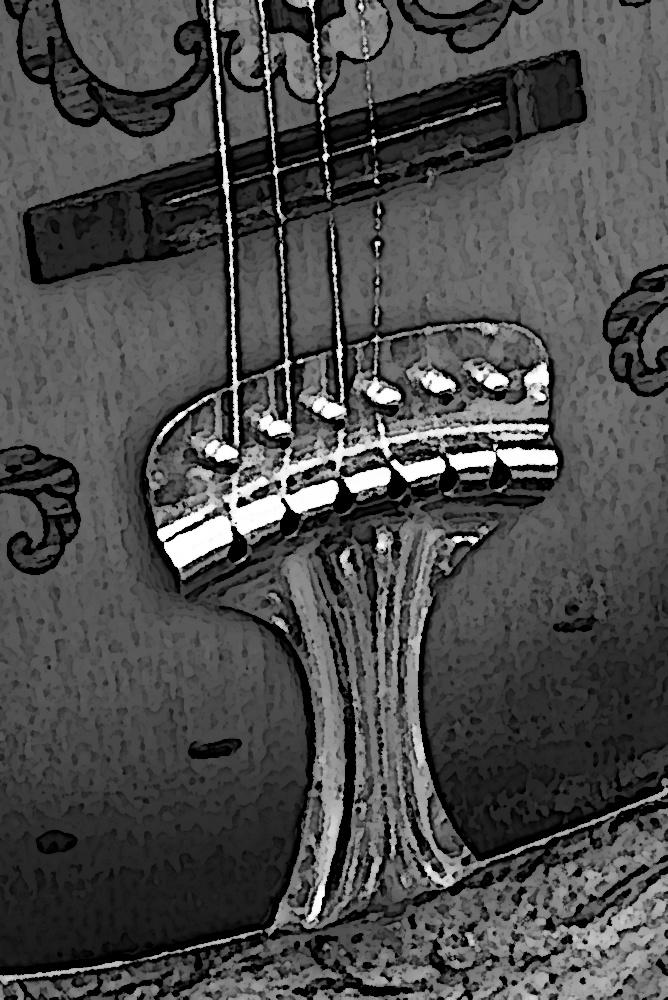
The ambitious six-part narrative “Juke” is a poetic take on the legendary folk tales of the Mississippi Delta Bluesmen. Here, the universal tale of a meeting with the Devil at the crossroads is bungled ironically enough by the sin and vice of an aspiring musician.

“JUKE”

i.

i left the delta on a train
for chicago in the pouring rain
but the central line, it runs two ways
and will return again someday

mississippi chicago
the more you look the more you know
it makes no difference, you see
pullin’ cotton , packin’ meat

a stella flat-top made of birch
stolen from a bronzeville church
i can’t sing or play a note
yet fortune waits for me i’m told

there is a man
they say there’s some man

ii.

down the river-levee road
worn and weathered two-tone brogue
i heard them singing at st paul’s
out for miles through the walls

i sat outside the church house door
friday worst and cursed and poor
i drew ol’ stella from her sack
but she refused to answer back

sat alone there for a while
a church girl found me there and smiled
if you can really play that thing
then you will strum and i will sing

there is a man
they say there’s some man

iii.

and over off beyond the graves
an old cottonwood for shade
but when i tried to play my part
she put her hand upon my heart

a booming voice of righteous rage
twice my size and twice my age
her daddy standing in the sun
with a hardware store shotgun

jack-rabbit, fast as i could
no time for goodbye for good
don’t look back, don’t leave no tracks
lay low until the sky goes black

there is a man
they say there’s some man

iv.

they say some man, don’t give no name
but he offers fortune, offers fame
and i can have all of these things
if i let him tune my flat-top strings

there is a man, comes at midnight
but only when the moon is right
south of rosedale black as coal
sign away in blood, your soul

i look into the starry sky
waiting as some clouds pass by
the harvest moon looms large and low
a few more hours left to go

there is a man
they say there’s some man

v.

i crawl out of a ditch near town
and put an ear down to the ground
they say they really lettin’ loose
some dirt floor shack down main and bruce

an old tin roof and old plank walls
i took the stage corn liquor balls
they cry a tear with bertha lee
but they could only laugh at me

i set out drunk alone ashamed
just hoping they forget my name
just me and stella my guitar
and lightnin’ in an old fruit jar

there is a man
they say there’s some man

vi.

mumblin’ stumblin’ south on main
i fell face first into the drain
but all will change when midnight comes
but it was already a half past one

was it just my luck was it just my fate
to be forever drunk and late
the shadow man would just not wait
mississippi one and eight

so i smashed that old guitar to bits
ain’t getting anywhere with it
but still the taste is in my mouth
hang down my head, keep heading south

there is a man
they say there’s some man

Copyright © 2026 Robert Myrnyj | All rights reserved.
The poems and literary works presented here are original creations by the author.
Unauthorized copying, reproduction, distribution, modification, or public display of this
content is strictly prohibited without the prior written permission of the copyright owner.
GEE AND HAW

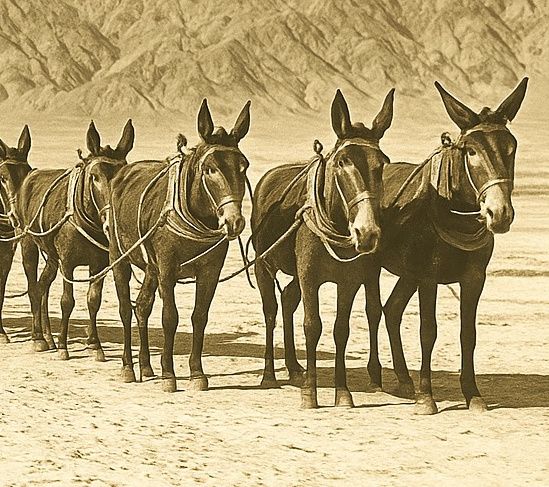
“Gee and Haw” is an anthropomorphic piece, at once nostalgically pastoral, romantically idyllic, traditionally Americana, and socially working class. Inspired by the legendary Twenty-One Mule Teams of the borax mines in Death Valley, the poem draws deeper into the story, back east to where the mules were bred, and how sweet was the life and inspired the dreams of the youth – once upon a time.

“GEE AND HAW”

i go back to limestone valley
don’t we all, by god, by now
through memory and blood and dreams
don’t we all, sometimes, somehow

the sunrise on the osage plains
sparkling dew drop prairie sprawl
the budding bluestem, green in spring
and switchgrass, in the summer, tall

the farmhouse, grand, ground to gables
and the stables there, once my home
and champions one and all were we
with a hundred acres fore to roam

and glory be the wondrous day
when i was five at fifteen hands
they rigged me collar, hames, and britchin
and put my passion to the land

and it was gee and it was haw
the plow was dropped the plow was drawn
and it was click-cluck getty up and whoa
the world forever turns as so

the spoils of our burden yet
behold, such fortune not our fate
we watched the setting sun burn down
in twilight by the paddock gate

and born for power over time
we are bred to pull our share
and when wherever morning comes
it shall be ours to toil there

and it is gee and it is haw
the plow is dropped the plow is drawn
and it is click-cluck getty up and whoa
this world forever turns as so

Copyright © 2026 Robert Myrnyj | All rights reserved.
The poems and literary works presented here are original creations by the author.
Unauthorized copying, reproduction, distribution, modification, or public display of this
content is strictly prohibited without the prior written permission of the copyright owner.
ANTHRACITE

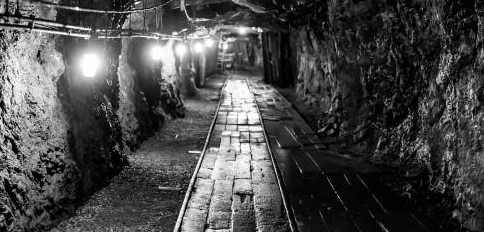
“Anthracite” is a Ghost Elegy with a strong Working Class tone. Written in 2025, it was initially developed to be a narrative for the “A Shattered Cup of Doom” novella, but its strong sense of period and place at the surface level rendered the work seemingly incongruent with the other elements. Though the avid reader will recognize the “buried” romance sub-story and the linkage to the main story line of the novella, “Anthracite” serves more accessibly as a stand-alone Americana piece.

“ANTHRACITE”

i died in the mines
back in ninety-four
me and my dreams
no more sunshine no more

down before the roosters crow
never saw much of the sun anyway
holidays maybe
and sundays for church
provided the skies up above weren’t gray

down into the black of the hole
lamplight and torches, like stars and the moon
but the timbers cracked
like the thunder claps
and the mine it collapsed and it took me too soon

i died in the mines
back in ninety-four
me and my dreams
no more sunshine no more

so there i lay infused with coal
my soul is blackened like my skin
i hear there a voice,
a light there bursts in
sunshine sunday, where have you been

the voice it carries like a song
it dances round without an end
but the light it turns
and it waltzes by
and i doubt it ever pass this way again

they sealed up the mine
back in ninety-five
me and my dreams
and another twelve more

a somber trumpet on the wind
a prayer alifting into heaven
they built it with bricks
through the year of o’six
and they remembered us there in o’seven

i died in the mines
back in ninety-four
me and my dreams
no more sunshine
no more

Copyright © 2026 Robert Myrnyj | All rights reserved.
The poems and literary works presented here are original creations by the author.
Unauthorized copying, reproduction, distribution, modification, or public display of this
content is strictly prohibited without the prior written permission of the copyright owner.