HUCKLEBERRY

“HUCKLEBERRY” feels like a blues/folk ballad disguised as a comic monologue. This poem is most immediately performative: you can almost hear a singer delivering it with a grin that gradually becomes less funny. Its central character keeps announcing what he will become, while the woman responds with doubt. The result is simultaneously funny, pathetic, defiant, and surprisingly sad. The work is a contemporary comic-tragic ballad with a blues lyric, with elements of folk song, Southern/Americana storytelling, satirical poetry, character-driven narrative, dramatic monologue, and dark comedy.

“HUCKLEBERRY”

i told her i’m her man and she just laughed
the perfect man for her, but she just laughed
the rat race flows like a great river
and you ain’t got a raft
i told her i’m her man and she just laughed

i told her i’ll be great and i was mocked
a mark upon this world, but i was mocked
what legacy, a million ghosts
in some old cotton sock
i told her i’ll be great, but i was mocked

i told her just you watch and she just sighed
i will rise up to the top, but she just sighed
i see you crawl out momma’s basement
to that unemployment line
i told her just you watch, she just sighed

i told her i’ll be rich and she just spat
i’ll find fame and fortune, but she just spat
a poor man can be rich in jesus
and you are even far from that
i told her i’ll be rich and she just spat

i promised her the moon and she just moaned
the big old harvest moon, but she just moaned
drunk on dreams of romance
and still hung up there alone
i promised her the moon, but she just moaned

i told her i’m her man and she just laughed
the rat race flows like a great river
and you ain’t got a raft
i told her i’m her man and she just laughed

Copyright © 2026 Robert Myrnyj | All rights reserved.
The poems and literary works presented here are original creations by the author.
Unauthorized copying, reproduction, distribution, modification, or public display of this
content is strictly prohibited without the prior written permission of the copyright owner.
JUKE

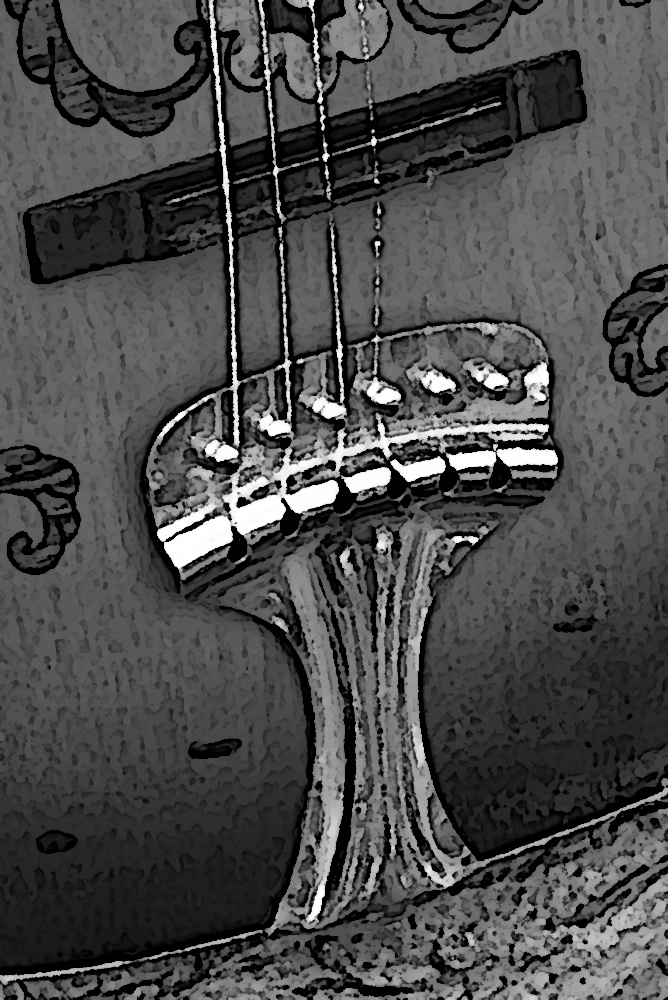
The ambitious six-part narrative “Juke” is a poetic take on the legendary folk tales of the Mississippi Delta Bluesmen. Here, the universal tale of a meeting with the Devil at the crossroads is bungled ironically enough by the sin and vice of an aspiring musician.

“JUKE”

i.

i left the delta on a train
for chicago in the pouring rain
but the central line, it runs two ways
and will return again someday

mississippi chicago
the more you look the more you know
it makes no difference, you see
pullin’ cotton , packin’ meat

a stella flat-top made of birch
stolen from a bronzeville church
i can’t sing or play a note
yet fortune waits for me i’m told

there is a man
they say there’s some man

ii.

down the river-levee road
worn and weathered two-tone brogue
i heard them singing at st paul’s
out for miles through the walls

i sat outside the church house door
friday worst and cursed and poor
i drew ol’ stella from her sack
but she refused to answer back

sat alone there for a while
a church girl found me there and smiled
if you can really play that thing
then you will strum and i will sing

there is a man
they say there’s some man

iii.

and over off beyond the graves
an old cottonwood for shade
but when i tried to play my part
she put her hand upon my heart

a booming voice of righteous rage
twice my size and twice my age
her daddy standing in the sun
with a hardware store shotgun

jack-rabbit, fast as i could
no time for goodbye for good
don’t look back, don’t leave no tracks
lay low until the sky goes black

there is a man
they say there’s some man

iv.

they say some man, don’t give no name
but he offers fortune, offers fame
and i can have all of these things
if i let him tune my flat-top strings

there is a man, comes at midnight
but only when the moon is right
south of rosedale black as coal
sign away in blood, your soul

i look into the starry sky
waiting as some clouds pass by
the harvest moon looms large and low
a few more hours left to go

there is a man
they say there’s some man

v.

i crawl out of a ditch near town
and put an ear down to the ground
they say they really lettin’ loose
some dirt floor shack down main and bruce

an old tin roof and old plank walls
i took the stage corn liquor balls
they cry a tear with bertha lee
but they could only laugh at me

i set out drunk alone ashamed
just hoping they forget my name
just me and stella my guitar
and lightnin’ in an old fruit jar

there is a man
they say there’s some man

vi.

mumblin’ stumblin’ south on main
i fell face first into the drain
but all will change when midnight comes
but it was already a half past one

was it just my luck was it just my fate
to be forever drunk and late
the shadow man would just not wait
mississippi one and eight

so i smashed that old guitar to bits
ain’t getting anywhere with it
but still the taste is in my mouth
hang down my head, keep heading south

there is a man
they say there’s some man

Copyright © 2026 Robert Myrnyj | All rights reserved.
The poems and literary works presented here are original creations by the author.
Unauthorized copying, reproduction, distribution, modification, or public display of this
content is strictly prohibited without the prior written permission of the copyright owner.
GEE AND HAW

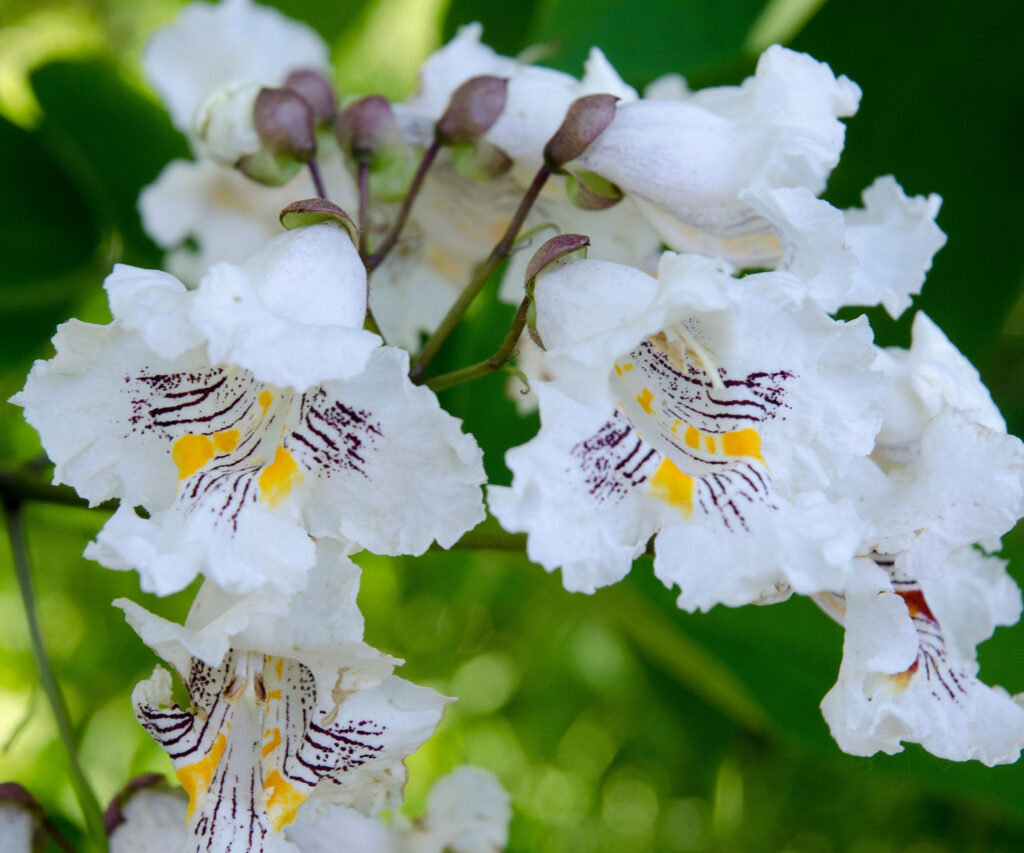
“Gee and Haw” is an anthropomorphic piece, at once nostalgically pastoral, romantically idyllic, traditionally Americana, and socially working class. Inspired by the legendary Twenty-One Mule Teams of the borax mines in Death Valley, the poem draws deeper into the story, back east to where the mules were bred, and how sweet was the life and inspired the dreams of the youth – once upon a time.

“GEE AND HAW”

i go back to limestone valley
don’t we all, by god, by now
through memory and blood and dreams
don’t we all, sometimes, somehow

the sunrise on the osage plains
sparkling dew drop prairie sprawl
the budding bluestem, green in spring
and switchgrass, in the summer, tall

the farmhouse, grand, ground to gables
and the stables there, once my home
and champions one and all were we
with a hundred acres fore to roam

and glory be the wondrous day
when i was five at fifteen hands
they rigged me collar, hames, and britchin
and put my passion to the land

and it was gee and it was haw
the plow was dropped the plow was drawn
and it was click-cluck getty up and whoa
the world forever turns as so

the spoils of our burden yet
behold, such fortune not our fate
we watched the setting sun burn down
in twilight by the paddock gate

and born for power over time
we are bred to pull our share
and when wherever morning comes
it shall be ours to toil there

and it is gee and it is haw
the plow is dropped the plow is drawn
and it is click-cluck getty up and whoa
this world forever turns as so

Copyright © 2026 Robert Myrnyj | All rights reserved.
The poems and literary works presented here are original creations by the author.
Unauthorized copying, reproduction, distribution, modification, or public display of this
content is strictly prohibited without the prior written permission of the copyright owner.
FOR ALL TIME

Written in 2026, “For All Time” is, in its beauty and wonder, perhaps the most unsettling poem in the dark and dreary realm of the “A Shattered Cup of Doom” novella. It is the linchpin that holds past, present, and future together as one and it is the burst of dawn following a deeply foreboding night. The warmth, the light, and the life of “For All Time” is both the beginning and the ending of the novella, the alpha and the omega. Though it registers with simplicity as Pastoral and Idyllic in tone, it is a very unique work that covers many poetic genres. In its constitution, “For All Time” is at once, Pastoral / Idyllic, strongly Lyric, certainly Romantic / Love Poetry to the fullest, very deeply Religious and Spiritual, and loosely but assuredly Narrative. It is presented in the “Third Shards of Broken Glass” collection, but also stands alone in dedication to the excellent wife that the LORD GOD blessed me with.

“FOR ALL TIME”

some time after dawn
a glaze of dew yet on the lawn
an old man and his pups
beneath the old catalpa tree
and the woman so fair
her blue eyes and golden hair
a kettle and two cups
she brings to him his morning tea

and god is good and god is kind
the peace of christ is peace of mind
and in her weary eyes he finds
his home, his hearth, his partner
for all time

in the noonday sun
he sees his course is not yet run
he has toiled not enough
to set his soul and spirit free
and the woman so fair
her blue eyes and golden hair
as he rolls up his cuffs
brings lemonade and levity

and god is good and god is kind
and blessed are the vows that bind
for in his weary eyes she finds
her home, her hearth, her partner
for all time

when the chains are loosed
the orpingtons come home to roost
he wipes his brow, shakes the dust,
and ascends above his elegy
and the woman so fair
her blue eyes and golden hair
cuddled up with the mutts
brings the wine of their liturgy

and god is good and god is kind
and here for heartbeats so inclined
for in his ancient eyes they find
their home, their hearth, their partner
for all time

Copyright © 2026 Robert Myrnyj | All rights reserved.
The poems and literary works presented here are original creations by the author.
Unauthorized copying, reproduction, distribution, modification, or public display of this
content is strictly prohibited without the prior written permission of the copyright owner.

ANTHRACITE

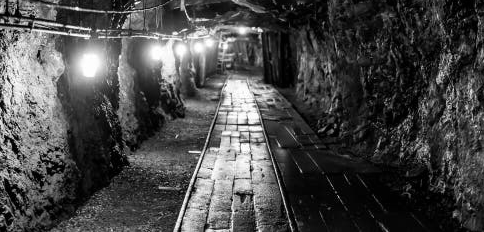
“ANTHRACITE” is a dark, atmospheric poem that explores the physical dangers, psychological burdens, and existential consequences associated with coal mining. Through recurring imagery of darkness, fading light, dying birds, and bodily transformation, the poem portrays the miner’s descent underground as both a literal journey into the earth and a symbolic movement toward death, despair, and the loss of identity. “ANTHRACITE” is best described as contemporary lyric poetry with elements of narrative, Gothic poetry, and industrial or labor poetry. Written in free verse, it employs irregular line lengths, rhythmic repetition, internal rhyme, colloquial language, and occasional archaic phrasing to create a haunting, almost ballad-like quality. Ultimately, the poem functions as a lament for lost life, diminished humanity, and the devastating consequences of dangerous labor, presenting the mine as a place where physical darkness becomes inseparable from spiritual and psychological dissolution.

“ANTHRACITE”

seven shades
of darkness, lo
follow where
the shadows grow
the lamplight
on the porches
groan
sweet nothings
as the miner goes
and whistlin’ past the cemetery
behold the blackest adversary
and in a birdcage, a canary
who cries all day
its song of woe
who cries all day
its song of woe

seven shades
of darkness, so
descend into
the black below
the lamplight of
his torch
alone
like the moonlight
stull to stull
behold the blackest adversary
a whore he didn’t know he married
he goes down like the canary
and he comes up
like the crow
and he comes up
like the crow

red is dead and orange, done
and yellow frozen cold gray sun
and green extinct and blue is gone
and indigo has since passed on
but i remember april dawn
and flowers crawling ‘cross the lawn
but weep for me, no turning back
for violet, too, has wilted black

seven shades
of darkness, lo
the birdsong ended
long ago
and the lamplight,
heretofore
shall cast no shadow
nevermore
a whore he didn’t know he married
a man becomes the stone he carries
the silent moment, so contrary
for this day
hath doomed thy soul
for this day
hath doomed thy soul

seven shades
of darkness, so
a man can’t tell
what he can’t know
can’t tell the ceiling
from the floor
can’t tell canary
from the crow
a man becomes the stone he carries
a timber snaps, obituary
entombed yet doomed, no sanctuary
i am become
as one with coal
i am become
as one with coal

Copyright © 2026 Robert Myrnyj | All rights reserved.
The poems and literary works presented here are original creations by the author.
Unauthorized copying, reproduction, distribution, modification, or public display of this
content is strictly prohibited without the prior written permission of the copyright owner.