“BLACK CANDLE” is a dark, atmospheric lyric that blends gothic romanticism with moral and emotional decay, framed through a recurring ritual image of a burning candle. The tone is somber, intimate, and elegiac, while the voice feels reflective and haunted, as though recounting a doomed intimacy from a place of aftermath rather than immediacy. One of the poem’s strongest qualities is its central symbol, which functions as both witness and metaphor for corrupted love, flickering between desire, guilt, and spiritual erosion. Written for the “A Shattered Cup of Doom” novella, this poem appears in the “First Shards of Broken Glass” chapbook.
“BLACK CANDLE”
flame of the wick on a black candle, dancing slam to the wall the shade of our iniquities which ravage like beasts at the flesh and the bone i lie with her, alone innocence deceased no opt-outs, no amnesties to here we fall by a black candle, dancing flame of the wick
“EVENING DESCENDS” is a compressed contemporary lyric / minimalist narrative poem. It feels like a lyric miniature — almost a dream, parable, or fragment of a larger story. The work contains elements of gothic poetry, dream poetry, and romantic poetry with religious symbolism, a sense of parable/fable, and surrealism. It also has a strong song lyric quality. The short lines, repetition of sounds, and compact narrative make it feel as though it could be a verse from a dark folk song or ballad. As a newly written poem for the “A Shattered Cup of Doom” novella, it has not yet been assigned to a chapbook.
“EVENING DESCENDS”
evening descends and midnight moonlight burns again an old man blows away the dust and from the holy books, he reads and the woman so fair her blue eyes and golden hair in a perfect act of trust kisses him, turns in, and falls asleep
“ReverendMotherForklift” reads as a contemporary experimental poem that combines surrealism, religious grotesque, confessional poetry, and dark/gothic imagery. Its form and diction are deliberately fractured, producing something closer to a fever dream, incantation, or liturgical curse than a conventional narrative poem. The poem appears to dramatize the wrestling of religion, inheritance, guilt, motherhood, abandonment, and spiritual contamination. Rather than presenting a straightforward story, it builds an atmosphere of psychological and theological disorientation through rapid collisions of words and images. It is part of the narration character’s backstory in the “An Empty Cup of Doom” novella.
“REVERENDMOTHERFORKLIFT”
roman candle water torture irish queer bait spirit quest protestation confirmation beleaguered berated blessed another yet drew me to this blasphemy beset my best unable precana fable scattered sunset in the west
whore of whores and house of harlots hand grenades and heretics ministry of motherfucking sons of bitches witches tits bible through a mirror blindly make what of you want of it mammon holy war and pant suits that which soothes the widow’s wish
in the hills, a midnight altar tea leaves, runes, and amulets she laid the baby on the stone and shriveled back in deep regret a mother’s tears, a widows peak fatherless untethered mess the atom hearted prophetess grants my weary soul no rest
so count the cost, inheritance left to my designs, bereft unclean bats feast on my prayers demons dance and repossess far off into the darkness blind drifting windless unto death and in the ditches and the bogs glowing eyes that steal my breath
“MOONLIGHT DROPS” is a brief gothic lyric that functions almost like an incantation, relying on concentrated imagery and sonic texture rather than narrative development. The tone is sensual, mysterious, and foreboding, while the voice feels ritualistic and dreamlike, as though reciting fragments of occult symbolism from memory or trance. The poem’s greatest strength lies in its compressed imagery, which creates a layered symbolic landscape where beauty, temptation, desire, and death coexist in uneasy harmony. The language is highly musical, with short phrases and internal echoes that give the poem the cadence of a chant or folk refrain. Written for the “A Shattered Cup of Doom” novella, this poem appears in the “Second Shards of Broken Glass” chapbook.
“MOONLIGHT DROPS”
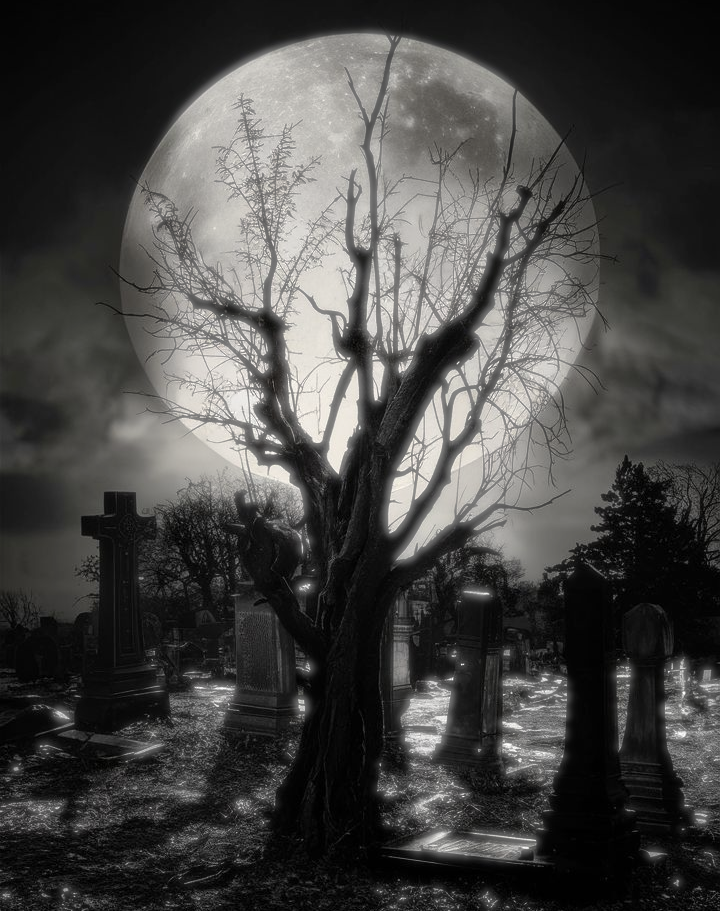
dew of the orchid a field of briar moonlight drops tongue of the fire forbidden fruit a pint of desire buried like a bone beneath a cemetery tree buried like a bone beneath a cemetery tree
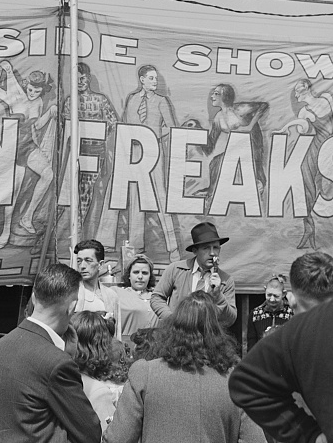
“ONE TWENTY-FIVE” is a dark carnival poem that blends grotesque Americana, gothic folklore, and satirical character study into the form of a twisted sideshow pitch. The tone is playful on the surface but deeply cynical underneath, with a voice that mimics the cadence of a carnival barker inviting the audience into a spectacle of human corruption and emotional deformity. One of the poem’s strongest qualities is its use of repetition, functioning both as refrain and accusation, suggesting that monstrosity is cheap entertainment and universally accessible. The poem cleverly subverts traditional freak-show imagery by rejecting physical oddities in favor of moral and emotional grotesqueries. The imagery is vivid, strange, and memorable throughout. Written for the “A Shattered Cup of Doom” novella, this poem appears in the “Third Shards of Broken Glass” chapbook.
“ONE TWENTY-FIVE”
freak show freak show in a dusty old canvas tent not your ordinary freak show one twenty-five will get you in one twenty-five will get you in we got no bearded woman we got no dog-faced boy but come and see come as you are see the ghost of a witch in an old ball jar come and see here today leaving soon a werewolf chained to a cemetery moon one twenty-five will get you in we got no midgets no siamese twins but come and see come as you are see a big strong man with a little shrunken heart come and see leaving soon got no future a two-faced bitch stitched on a headless rooster one twenty-five will get you in one twenty-five will get you in
“SILVER SPADE” is a brief but highly atmospheric gothic invocation that reads like a ritual chant or fragment of forbidden scripture. The tone is reverent, ominous, and ceremonial, while the voice adopts the cadence of an incantation, using repetition and command to create hypnotic intensity. One of the poem’s greatest strengths is its economy: with very few lines, it establishes a mythic landscape populated by devils, torches, graves, and moonlit ritual. The repeated references to light and darkness create a layered symbolic tension between revelation and destruction, wisdom and damnation. The poem succeeds through rhythm and atmosphere more than narrative, demonstrating a strong instinct for sonic repetition and gothic mood-building. Written for the “A Shattered Cup of Doom” novella, this poem appears in the “First Shards of Broken Glass” chapbook.
“SILVER SPADE”
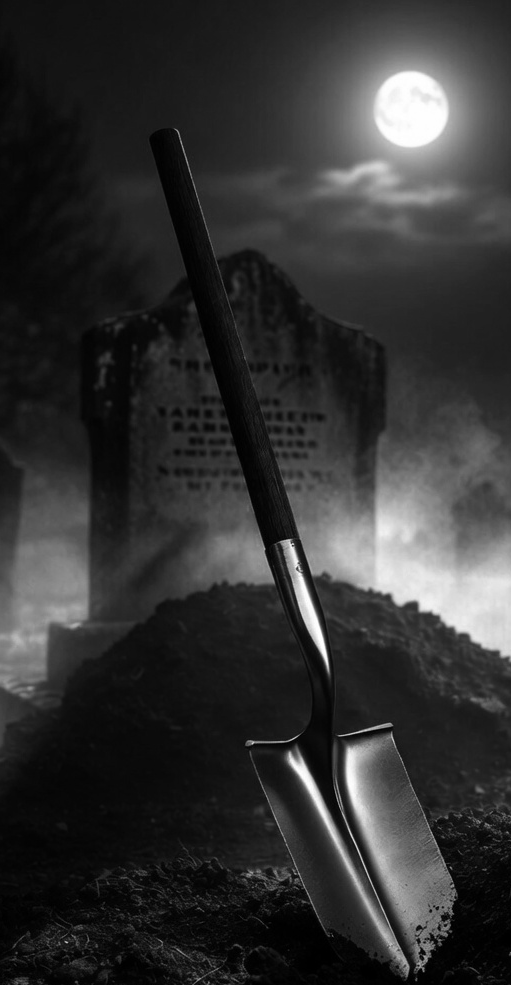
behold, beelzebub, be still, behold the old fool on the ancient hill behold, if you will, in the light of his torch the souls he’s enlightened and the souls that he’s scorched be still, beelzebub, behold, though the dark of the night, in the light of the moon, on a garden’s grave a silver spade
“SMOKE AND DOOM” is a richly atmospheric noir-gothic narrative poem that blends occult romance, dive-bar Americana, and supernatural suspense into a cinematic tale of betrayal and reckoning. The tone is smoky, seductive, and increasingly ominous, while the voice carries the swaggering cadence of a late-night folk ballad told by someone half-drunk and fully haunted. One of the poem’s greatest strengths is its immersive world-building: neon-lit bars, whiskey-soaked card tables, and spectral witchcraft merge seamlessly into a coherent emotional and visual landscape. The poem excels at momentum and escalation, moving from grounded details of gambling and masculine bravado into something mythic and uncanny without losing narrative clarity. Its imagery is especially vivid, creating a palpable supernatural tension that transforms a barroom into a ritual space. The recurring archetypes deepen the poem’s thematic obsession with temptation, jealousy, and fatal attraction. Written for the “A Shattered Cup of Doom” novella, this poem appears in the “Third Shards of Broken Glass” chapbook.
“SMOKE AND DOOM”
with taillights red, a witch ascends and disappears around the bend and out beyond his line of sight she hooked a left when home was right
she soars off to master midnight some old wolf who wears her bat bite and wishes on this shooting star and lives on main atop a bar
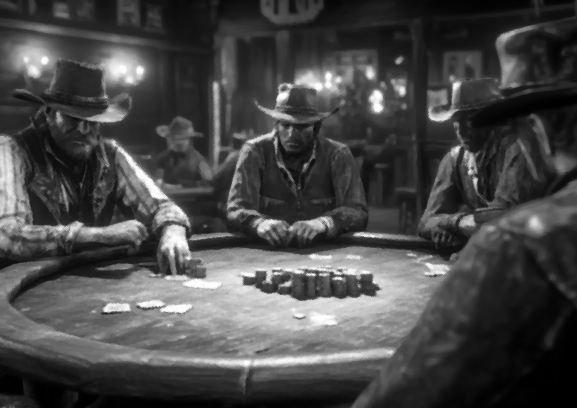
and downstairs where the neon burns where whiskey rules and tables turn and cut-throat spades and smoke and doom a golden blonde entered the room
just playing cards and scarred and jinxed while waiting on his midnight minx and he was falling far behind drew a two, bid seven blind
replete with beer and losing hands and broken dreams and one night stands he ate the minus seventy and then the blonde pulled up a seat
and no one seemed to take it strange how suddenly his luck had changed she bucked up next to where he sat and rubbed against him like a cat
and like new money on skid row another round for all his bro’s joking laughing bold and young stuck in that old seattle grunge
no one heard them steps a-comin’ through the thudding and the strumming but who could ever trust the moon when sometimes midnight strikes too soon
unseen but all could smell the sin like black smoke she just drifted in and hovered there til she took form and drew the wolf across the floor
the world stopped spinning, time had ceased the witch drew all the air to breathe a whisper from some black beyond asked master midnight
“LIPSMACK” is a compact neo-gothic character sketch that blends noir romance, modern decay, and fairy-tale distortion into a sharply stylized portrait of seduction and self-destruction. The tone is cynical, alluring, and darkly playful, while the voice carries the cadence of a modern folk ballad crossed with spoken-word incantation. One of the poem’s strongest qualities is its dense concentration of imagery, creating a vivid world where glamour and degradation exist side by side. The poem excels at mythologizing ordinary contemporary details, transforming cigarettes, bottled water, mirrors, and makeup into symbols of ritual, vanity, and emotional ruin. Structurally, the rhyming couplets give the piece a quick, chant-like momentum that reinforces its fairy-tale-meets-back-alley atmosphere. Written for the “A Shattered Cup of Doom” novella, this poem appears in the “Second Shards of Broken Glass” chapbook.
“LIPSMACK”
a wish upon a fallen star cost everything you have so far and all you take and all you spend gets all accounted in the end
a midnight pumpkin princess car a bat trapped in a pickle jar across the lane a street light glares a flash of lightning in her hair
her candle is a newport light and bottled-water is her wine the altar of her sex and lies the church of many men’s demise
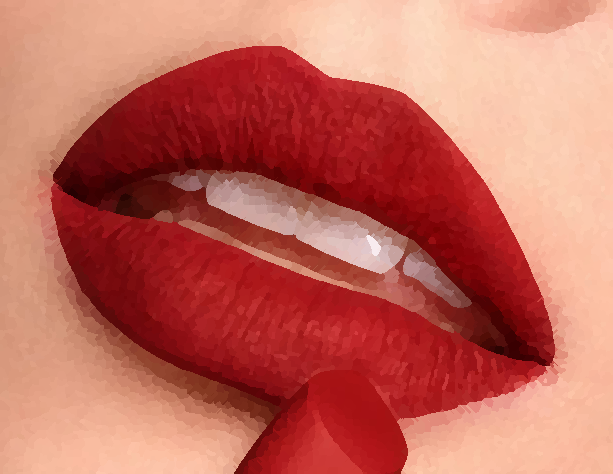
mirror mirror on the visor who’s the fool, who is the wiser lipstick lipsmack war paint red poof the hair, puff up the head
“PULSAR” is a surreal romantic-gothic narrative poem that combines heartbreak, mysticism, and modern Americana into a haunting meditation on desire, deception, and intuition. The tone shifts between dreamy infatuation and creeping dread, while the voice remains intensely cinematic and emotionally charged, moving through the scene like a slow-burning fever dream. One of the poem’s greatest strengths is its vivid fusion of mundane detail and occult symbolism. This blending of grounded specificity with supernatural atmosphere gives the poem a distinctive identity and strong visual texture. The language is musically dense, full of internal rhyme and rhythmic momentum, which enhances the hypnotic quality of the narration. Written for the “A Shattered Cup of Doom” novella, this poem appears in the “First Shards of Broken Glass” chapbook.
“PULSAR”
love is a fever, love is blind and they say that time will tell can a match be made in heaven with a girl who is raising hell
hand in hand and winter’s landing staircase to a household door the lantern lamplight far too dim for him to ever see for sure
her words invoke numb placation a lie so cold so bold so bright she laid her hand upon his heart and then she kissed the man goodnight
patchouli haze, and dazed, he prays that she is not yet going home but her low-top doctor martens romper stomp through the driven snow
nissan pulsar witchcraft death star a broomstick parked out on the street and there, alone, a queen enthroned, who sits there in the driver’s seat
mirror mirror on the windshield ultra blue white lady hoodoo her lips of red hold lies unsaid like tombstones shaded from the moon
fit of twisted intuition shivering a silver chill and then behold, a crystal vision from somewhere else, beyond her will
ancient eyes with swiss precision ahead in time while time stood still she saw clear to her derision a golden goddess seated on a throne upon a hill
“NIGHTSTALKER” is a dark mythic narrative poem that fuses gothic horror, apocalyptic prophecy, and folk-ballad cadence into the portrait of an almost supernatural avenger. The tone is relentless, severe, and judgmental, driven by a voice that feels both biblical and cinematic, as though recounting the legend of an unstoppable hunter sent to punish corruption and evil. The poem’s strongest quality is its sustained momentum. The imagery is vivid and forceful throughout, creating a world steeped in violence, judgment, and religious symbolism. The poem also succeeds in balancing archetypal grandeur with accessible diction, making the central figure feel both legendary and immediate. Particularly effective is the moral ambiguity surrounding the character: though positioned as a destroyer of wickedness, his total lack of mercy gives the poem an unsettling edge. Written for the “A Shattered Cup of Doom” novella, this poem appears in the “Third Shards of Broken Glass” chapbook.
“NIGHTSTALKER”
the nightstalker feeds on death and on sin the wealth of the devil means nothing to him he reads from a scroll of murder and lies and abominable objects that men idolize the nightstalker sees through the ancient of days and he tracks like a wolf onto blood and decay the light he draws down is a fistful of sun silver-eyed certain he knows what you’ve done the nightstalker wastes not and works all alone and he tramples on demons with boots hewn from stone each footstep a hammer brought down on a nail the men bow in shame and the womenfolk wail the nightstalker prowls with an ear to the ground there’s no sinner silent, and no innocence found there will be no doubt, no pity or remorse there will be no mercy, there will be no recourse the nightstalker creed, destroy the destroyer falling like hailstones on down to gomorrah so waste not your breath, he hears not excuses the dead one’s are clever, insane, and elusive the nightstalker feeds on death and on sin and the cries of the wicked mean nothing to him
“TOME” is a gothic horror narrative poem steeped in occult imagery and oral-storytelling tradition, evoking the atmosphere of dark folklore and campfire legend. The tone is ominous, foreboding, and theatrical, driven by a prophetic voice that sounds both warning and witness, as though recounting an ancient evil newly awakened. Structurally, the poem succeeds through its ballad-like cadence and repeated framing lines, which create momentum and ritualistic tension. Its strongest qualities lie in vivid cinematic imagery, which establish a rich supernatural setting with economy and clarity. The poem also balances archaic diction with accessible phrasing, giving it the feel of a modern folk-horror tale. Particularly effective is the escalation from mystery to revelation, culminating in the chilling final warning that transforms the poem from mere narration into apocalyptic prophecy. Written for the “A Shattered Cup of Doom” novella, “Tome” appears in the “Second Shards of Broken Glass” chapbook.
“TOME”
well i’m gonna tell you once and it’s all i’m bound to say a force of holy hell has been exhumed this very day
upon a craggy mountain in the dirt atop a grave when the full moon luminescence strikes the handle of a spade
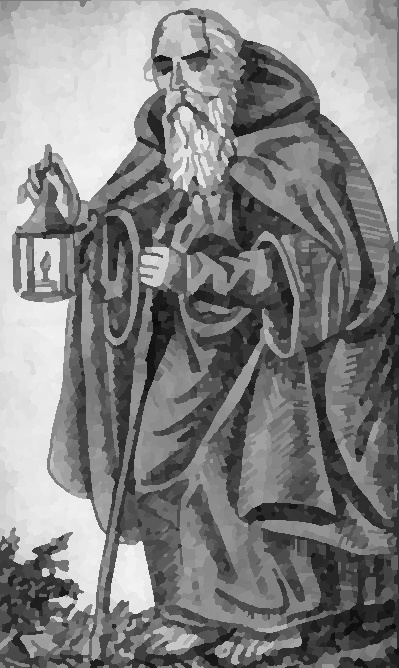
an old gray white beard hermit with a lantern and a cane brought a pyre of dry hemlock twigs and white oak logs to flame
the sacrifice cursed thrice in a prayer of ancient ways was a tome of profane dark and deeds laid out plainly on the blaze
while the book of evil burned the shovel stabbed the shovel turned the old man wiped his brow and drew his light
there carved in the casket lid old church slavonic script that bid beware the one who feeds upon the night
well i’m gonna tell you once one more time i mean to say a force of holy hell has been unleashed this very day
“Misgiven” is classified generally as Dark Gothic and Romance poetry, a mythic love curse and gothic duet. Two damned figures are locked in a sulfurous circle. The strength is the compression, how for example, “one misgiven kiss” dooms them both. The imagery is fierce, original, and unapologetically baroque. The poem suggests a mythic dimension to a particular woman’s relationships that transcends naturalism. As a newly written poem for the “A Shattered Cup of Doom” novella, it has not yet been assigned to a chapbook.
“MISGIVEN”
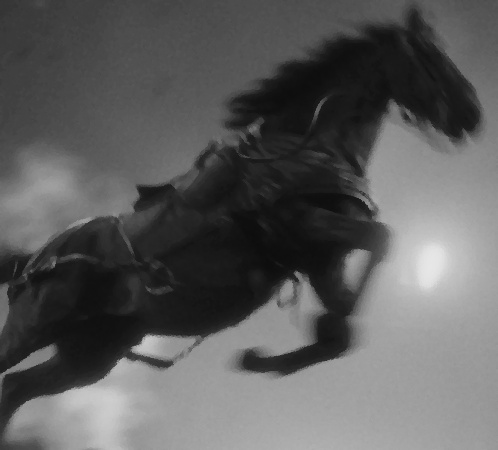
a warhorse storm of hades, she, and i, condemned to her by fate she drifted in to shoot the moon and feed on souls of low estate
a nightmare on her blinds, i was and she, condemned to me, the same i, the rage of brimstone blazing, who grabbed the midnight by the mane
a night mare gallop reigns in hell our sulfur circle wishing well the curse of one misgiven kiss and all roads lead us both to this
“STRATUM” is best categorized as a gothic narrative poem blending dark fantasy, supernatural horror, and military gothic within a modernized ballad structure. Its strongest achievement is the sustained atmosphere of mythic dread, created through vivid, cinematic imagery and tightly controlled tonal consistency. The poem evokes the cadence of an old oral legend while presenting a layered descent through grave, earth, tomb, and hidden relic that mirrors the title’s geological symbolism. Particularly effective are the concrete visual details, which give the work a tactile, haunting immediacy. The restrained approach to exposition strengthens the mystery, allowing the poem to suggest an entire hidden mythology without over-explaining it. The piece succeeds as a dark, atmospheric ballad of buried violence, dormant power, and memory entombed beneath history. As a newly written poem for the “A Shattered Cup of Doom” novella, it has not yet been assigned to a chapbook.
“STRATUM”
drawn with casket from his grave an old ghost soldier bold and brave with cold steel eyes that never slept for many years in vigil kept
into the starry skies he stares calm and cool the midnight air and buried last in silver chains that hobble so his last remains
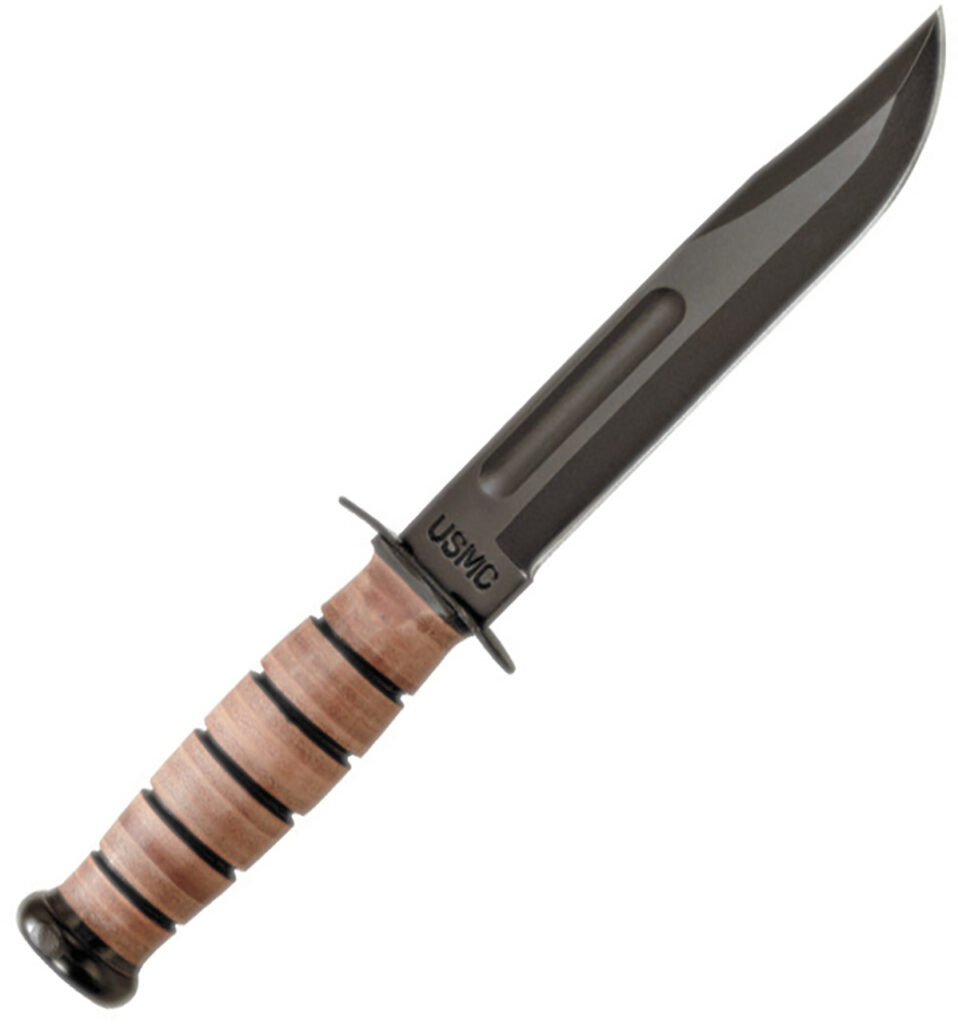
for one day he was called to life he howled and drew a kabar knife and joined in spirit to his flesh in hot pursuit of sin and death
but now he’s flat upon his back and bound this day to not attack and whatever next the orders be he waits prepared when he’s set free
and there beside the coffin door a shovel stabs the garden floor the moonlit shadow that it casts extends far off into the past
and in the hollow of the dirt six foot into mother earth an old man cussing pains out loud and wiping sweat off from his brow
the old man sweeps away with broom by torchlight cast into the tomb a stratum tier of fieldstone rocks that hides from sight an old black box
This poem, the continuation and stark follow-up to the longer “Hell and Egypt”, is likewise a lyric narrative within the gothic and confessional genres, having strong elements of ballad and theological complaint. Its central theme is the trafficking and abandonment of a child by a mother who herself had been sent off as a baby. It speaks subtly to the notion of generational curse under the horrible torrent of grave misfortune. Written for the “A Shattered Cup of Doom” novella, this poem appears in the “Second Shards of Broken Glass” chapbook.
“HELL AND EGYPT (REPRISE)”
she was sworn to not reveal that she had been the devil’s whore and so her wrath and agony is shade upon the boy she bore
and so the shadow falls on him she left him lying there alone who allowed this to occur she left her baby on the stone
she sold him off to hell and egypt her running blood, her like, her kind like some cold slab of bovine carcass and she rode off, left him behind
This poem is a lyric narrative within the gothic and confessional genres, with strong elements of ballad and theological complaint. Its central theme is the trafficking and abandonment of a woman, the subsequent shattering of her faith, and her defiant but self-destructive turn toward forbidden love. The poem also explores inherited trauma and the seemingly unanswerable question of why darkness befalls the innocent. The voice is a third-person omniscient narrator who shifts between anguished witness, theological interrogation, and tragic chronicler of the woman’s internal collapse. Structurally, the poem unfolds across eight stanzas of irregular length, mixing quatrains and couplets. Repetition of key phrases creates a refrain-like meditation on desire, suffering, and divine silence. The title phrase suggests both a literal place of exile and a biblical resonance, with Egypt as the land of bondage and hell as ultimate abandonment. The woman’s rejection of God and her choice to lie beside “a priestess of deceit” frames her rebellion as both liberation and damnation, symbolized by quicksand imagery. Written for the “A Shattered Cup of Doom” novella, this poem appears in the “Second Shards of Broken Glass” chapbook.
“HELL AND EGYPT”
they sold her off to hell and egypt her running blood, her like, her kind like some cold slab of bovine carcass and they rode off, left her behind
who set her naked on the stone and who allowed this to occur who left her lying there alone why did this shadow fall on her
and what, dear lord, in darkness breeds the heart it wants and the heart it needs
she swore to hell and heaven then, with hand on heart, forevermore that this would never be as such no not again, no never more
and so forwent, and then she severed whatsoever ties and binds even unto god most high and then, again, and for all time
for he allowed this woe to be who tames the storms and calms the seas they say he sees our darkest thoughts and hears our cries, our prayers, our pleas
but she chose not their ancient one in vain, she deemed him obsolete and chose instead to lie in bed beside a priestess of deceit
but the moonlight whispers marking time the quicksand of her very sin and though the kicking of her legs she drifts and sinks much deeper in
she was sworn to not reveal that she had been the devil’s whore and so her wrath and agony is shade upon the boy she bore
the heart it wants and the heart it needs but what, dear lord, does darkness breed
This poem is a lyric incantation, drawing on the traditions of chant, folk magic, and gothic verse. Its central theme is the summoning of forbidden or dangerous feminine power, blending erotic obsession with spiritual transgression. The voice speaks in imperative commands within a ceremonial circle. The tone is hushed, urgent, and reverent, building toward the whispered climax of the curse. Structurally, the poem consists of heavy internal rhyme and near-rhyme that mimics the repetitive nature of spellcasting. The juxtaposition of sacred imagery with profane or transgressive language aligns with the “A Shattered Cup Of Doom” novella’s recurring tension between salvation and damnation. Originally titled “Draw Down The Moon”, “Molly Black” appears as a snapshot in the “First Shards of Broken Glass” chapbook.
“DRAW DOWN THE MOON”
open the circle, open the door, draw down the moon, draw out the whore. the greenwood floor, the quarters, four, the witch, she whispered the curse d’amour
This poem is a lyric poem, with strong elements of confessional and gothic poetry. Its central theme is the cyclical nature of suffering and redemption—specifically, the journey from suicidal despair and imprisonment toward spiritual rescue through love. The voice is a first-person speaker, who oscillates between raw anguish and hard-won salvation. Structurally, the poem uses stark rhyme, repetition, and fragmented imagery to mimic obsessive thought and emotional relapse. A new work, “Time And Time Again” is not yet assigned to a chapbook.
“TIME AND TIME AGAIN”
the darkest night of all my days mousetrap house rat in a maze some angel shoulder old crow sings one-eye jack go suicide king
the knight is still without the moon lately death can’t come too soon an ounce of cure, a pound of rock beat the dead horse, beat the clock
marking time and time again i’m living hell and back again again and again and again again
the prison gate reverberates scared straight date where fate awaits lightning striking, hallowed hall shadow creeping up the wall
she sat beside me on death row her eyes a blue electric glow my heart plugged into supercharge the second hand remains at large
travel time and time again i’m back from living hell again again and again and again again
she stood to rise and took my arm and led my spirit clear of harm due time done did doing time a simple love, a simple rhyme
energized amazed enthralled her picture nailed onto the wall the undeath of the valley stir every time i think of her
The mystical and darkly spiritual work called “Twentieth & Sixth” is something of a ghost story, a snapshot in the back story of the antagonist character in the “A Shattered Cup of Doom” novella. The poem is an Urban Gothic type with a note of Melancholic Lyrical that conveys the haunting memory of a particular crossroads and emanates from the battered psyche of one particularly troubled witch, an unlikely villain silently seething with vengeance and relentlessly nursing a vicious agenda. The poem is released in the “Third Shards of Broken Glass” chapbook.
“TWENTIETH & SIXTH”
lonelier, yet, than just alone, ghost of passion bastard drone undead adrift, chained to a myth of some church twentieth and sixth where some are born and some are cloned but all them boys are turned to stone the fruits of one ecstatic kiss all avenues lead me to this
“Blue Violets Bloom” is a mysterious text assembled in 2025 as a snapshot in the “A Shattered Cup of Doom” novella. Very Gothic in tone, there exists within its layering an image of budding romance, an origin story of fate unfolding on a not-so-ironic foundation of doom. “Blue Violets Bloom” appears as part of the “First Shards of Broken Glass” chapbook collection.
“BLUE VIOLETS BLOOM”
in the throes of torment, of blood and toil and of strife, the wonder that is life breeds death and the rancid stink of death feeds life. in a room of darkness in a world of doom, knee deep in the dead, they dance where one day yet blue violets bloom
and nothing there is true, and yet everything is, somehow, too, ghouls that languish on, forsaken too young to die, thy flesh consumed. in a room of darkness in a world of doom, their fate awaits them where, by chance where one day yet blue violets bloom
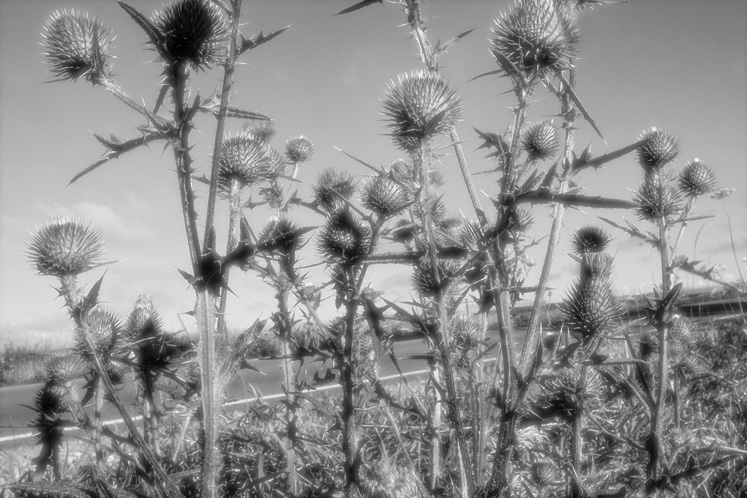
“Rust and Thistle” was written in 2026 as part of the back story of the narration character in the “A Shattered Cup of Doom” novella. It is a Dark Gothic work wrought with ghostly tones and woeful elegy, developed most ironically out of roadside decay. It is a snapshot given in the “Third Shards of Broken Glass” chapbook collection. This poem warrants a trigger warning, so be advised.
“RUST AND THISTLE”
a low wind moans and flutters basted tufts of roadkill bristle gangly shadow fingers scratch and claw at grit and grizzle fly fandango carcass bloated rancid and abysmal
along the river road
on the cemetery lawn a sleeping fawn, she was my bride once upon a time wrapped in linen lace and scabs and gauze, a memory survived once upon a time but when the shadow of the butler touched her shoulder from behind once upon a time the mirror of her soul collapsed to fragments in her mind once upon a time
once upon a time
an old wind moans and mutters distant puffs of railroad whistle and there ahead i am, i am a tin can wrapped in rust and thistle the skulking shadow lingers last remains but no dismissal
along the river road once upon a time along the river road
A Dark Gothic and inversely Romantic poem, “Not For This Light” was initially created as a significantly longer piece in 1995. It has been reduced to its present state in 2025 as a snapshot for the “A Shattered Cup of Doom” novella. “Not For This Light” is present in the “First Shards of Broken Glass” chapbook collection.
“NOT FOR THIS LIGHT”
platinum hair and vacant eyes and a way with pretty, little lies
she swaddles death in baby’s breath and drapes the dragon robes of white
it is to him that she aspires the lord of flies the ancient liar
stars on the night but hers is a fire gehenna glows the moth’s desire
but it’s not for this light do the roses reach; nor for her falling tears do they crave
though abused, they abstain, they refuse, they refrain, and so die in the vase and are cast to the grave