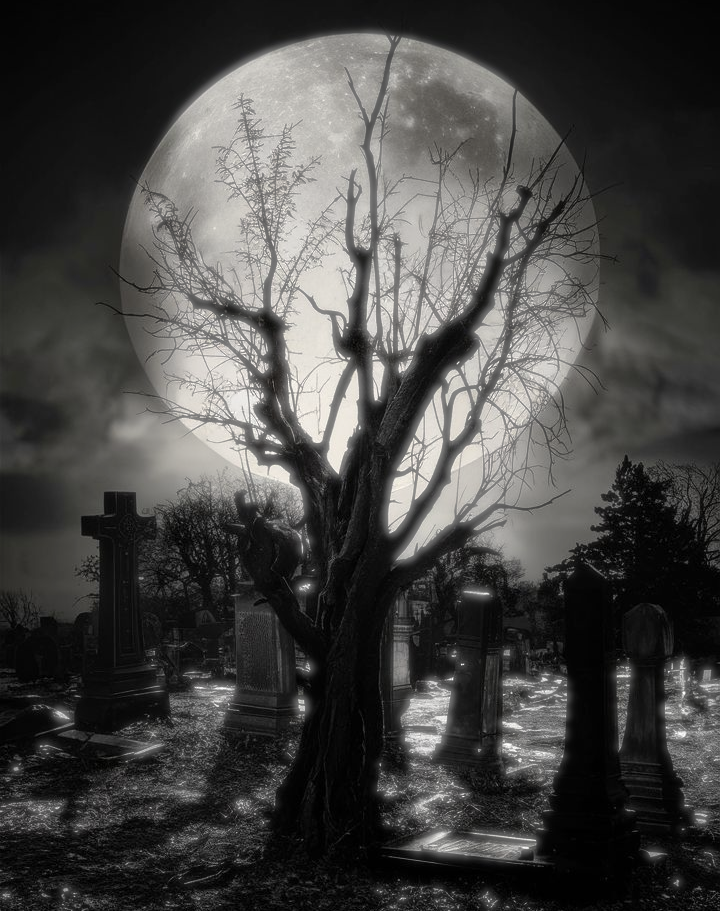
“MOONLIGHT DROPS” is a brief gothic lyric that functions almost like an incantation, relying on concentrated imagery and sonic texture rather than narrative development. The tone is sensual, mysterious, and foreboding, while the voice feels ritualistic and dreamlike, as though reciting fragments of occult symbolism from memory or trance. The poem’s greatest strength lies in its compressed imagery, which creates a layered symbolic landscape where beauty, temptation, desire, and death coexist in uneasy harmony. The language is highly musical, with short phrases and internal echoes that give the poem the cadence of a chant or folk refrain. Written for the “A Shattered Cup of Doom” novella, this poem appears in the “Second Shards of Broken Glass” chapbook.
“MOONLIGHT DROPS”
dew of the orchid a field of briar moonlight drops tongue of the fire forbidden fruit a pint of desire buried like a bone beneath a cemetery tree buried like a bone beneath a cemetery tree
“SEEMS SO MUCH” is a melancholic, spiritually searching free verse poem that blends confessional vulnerability with understated hope. The tone moves between self-loathing, loneliness, and quiet yearning for grace, while the voice feels deeply human and unguarded, speaking with plainspoken sincerity rather than theatrical flourish. One of the poem’s strongest qualities is its use of humble, accessible language to explore themes of worthlessness, salvation, and emotional rescue. The repeated refrain gives the poem a meditative rhythm and reinforces the speaker’s uncertainty about faith, heroism, and their own value. Particularly effective is the contrast between pop-cultural imagery and religious symbolism, which broadens the poem’s emotional reach and suggests a universal longing for deliverance from despair. Written for the “A Shattered Cup of Doom” novella, this poem appears in the “Second Shards of Broken Glass” chapbook.
“SEEMS SO MUCH”
i am not some ordinary joe something less than that i know and who would ever stoop so low who would ever stoop so low
now i do not read them comic books but it seems so much to be that god has made the superheroes for the helpless zeroes here like me
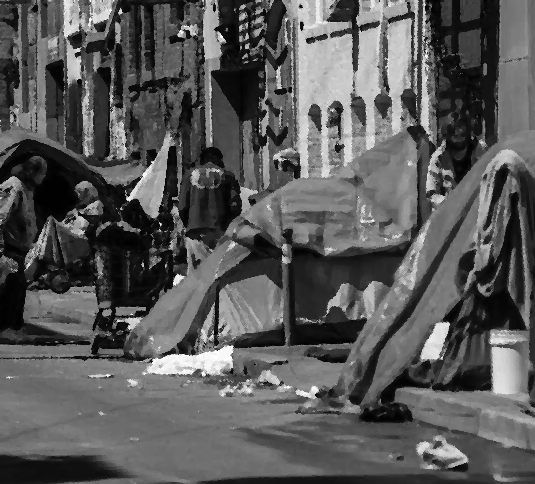
this is not some tent on mission row somewhere less than that i know it takes a saint to call this tomb to drag me from this dungeon womb
now i do not read them holy books but it seems so much to be that god has sent his better angels to the lonely strangers here like me
just when i thought that i’d been left here to die just one in a million from the highway driving by a knock on my door a knock on my door
now i do not read them holy books but it seems so much to be
“LIPSMACK” is a compact neo-gothic character sketch that blends noir romance, modern decay, and fairy-tale distortion into a sharply stylized portrait of seduction and self-destruction. The tone is cynical, alluring, and darkly playful, while the voice carries the cadence of a modern folk ballad crossed with spoken-word incantation. One of the poem’s strongest qualities is its dense concentration of imagery, creating a vivid world where glamour and degradation exist side by side. The poem excels at mythologizing ordinary contemporary details, transforming cigarettes, bottled water, mirrors, and makeup into symbols of ritual, vanity, and emotional ruin. Structurally, the rhyming couplets give the piece a quick, chant-like momentum that reinforces its fairy-tale-meets-back-alley atmosphere. Written for the “A Shattered Cup of Doom” novella, this poem appears in the “Second Shards of Broken Glass” chapbook.
“LIPSMACK”
a wish upon a fallen star cost everything you have so far and all you take and all you spend gets all accounted in the end
a midnight pumpkin princess car a bat trapped in a pickle jar across the lane a street light glares a flash of lightning in her hair
her candle is a newport light and bottled-water is her wine the altar of her sex and lies the church of many men’s demise
mirror mirror on the visor who’s the fool, who is the wiser lipstick lipsmack war paint red poof the hair, puff up the head
“THERE” is a brief piece of confessional free verse that leans into psychological and existential poetry, using sparse language to convey emotional isolation and fractured identity. The tone is bleak, intimate, and quietly despairing, while the voice feels vulnerable yet emotionally restrained, as though the speaker can only approach their pain indirectly through metaphor. The poem’s greatest strength is its compression: in just a few lines, it establishes a powerful contrast between decay and emotional defense. Written for the “A Shattered Cup of Doom” novella, “Tome” appears in the “Second Shards of Broken Glass” chapbook.
“THERE”
i don’t know my rotting flesh from the armor that i bear my heart is locked in a black box and i don’t have the key to there
“TOME” is a gothic horror narrative poem steeped in occult imagery and oral-storytelling tradition, evoking the atmosphere of dark folklore and campfire legend. The tone is ominous, foreboding, and theatrical, driven by a prophetic voice that sounds both warning and witness, as though recounting an ancient evil newly awakened. Structurally, the poem succeeds through its ballad-like cadence and repeated framing lines, which create momentum and ritualistic tension. Its strongest qualities lie in vivid cinematic imagery, which establish a rich supernatural setting with economy and clarity. The poem also balances archaic diction with accessible phrasing, giving it the feel of a modern folk-horror tale. Particularly effective is the escalation from mystery to revelation, culminating in the chilling final warning that transforms the poem from mere narration into apocalyptic prophecy. Written for the “A Shattered Cup of Doom” novella, “Tome” appears in the “Second Shards of Broken Glass” chapbook.
“TOME”
well i’m gonna tell you once and it’s all i’m bound to say a force of holy hell has been exhumed this very day
upon a craggy mountain in the dirt atop a grave when the full moon luminescence strikes the handle of a spade
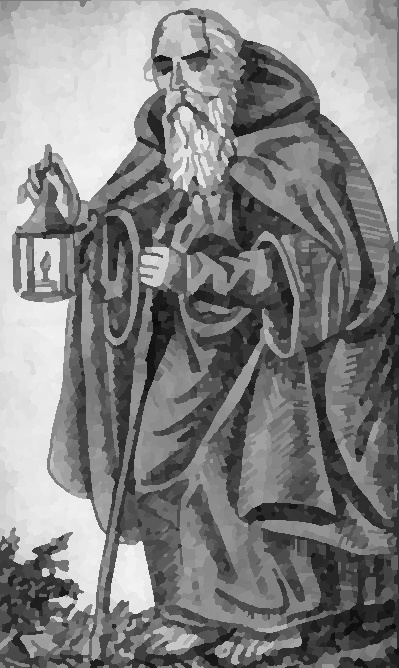
an old gray white beard hermit with a lantern and a cane brought a pyre of dry hemlock twigs and white oak logs to flame
the sacrifice cursed thrice in a prayer of ancient ways was a tome of profane dark and deeds laid out plainly on the blaze
while the book of evil burned the shovel stabbed the shovel turned the old man wiped his brow and drew his light
there carved in the casket lid old church slavonic script that bid beware the one who feeds upon the night
well i’m gonna tell you once one more time i mean to say a force of holy hell has been unleashed this very day
This poem, the continuation and stark follow-up to the longer “Hell and Egypt”, is likewise a lyric narrative within the gothic and confessional genres, having strong elements of ballad and theological complaint. Its central theme is the trafficking and abandonment of a child by a mother who herself had been sent off as a baby. It speaks subtly to the notion of generational curse under the horrible torrent of grave misfortune. Written for the “A Shattered Cup of Doom” novella, this poem appears in the “Second Shards of Broken Glass” chapbook.
“HELL AND EGYPT (REPRISE)”
she was sworn to not reveal that she had been the devil’s whore and so her wrath and agony is shade upon the boy she bore
and so the shadow falls on him she left him lying there alone who allowed this to occur she left her baby on the stone
she sold him off to hell and egypt her running blood, her like, her kind like some cold slab of bovine carcass and she rode off, left him behind
This poem is a lyric narrative within the gothic and confessional genres, with strong elements of ballad and theological complaint. Its central theme is the trafficking and abandonment of a woman, the subsequent shattering of her faith, and her defiant but self-destructive turn toward forbidden love. The poem also explores inherited trauma and the seemingly unanswerable question of why darkness befalls the innocent. The voice is a third-person omniscient narrator who shifts between anguished witness, theological interrogation, and tragic chronicler of the woman’s internal collapse. Structurally, the poem unfolds across eight stanzas of irregular length, mixing quatrains and couplets. Repetition of key phrases creates a refrain-like meditation on desire, suffering, and divine silence. The title phrase suggests both a literal place of exile and a biblical resonance, with Egypt as the land of bondage and hell as ultimate abandonment. The woman’s rejection of God and her choice to lie beside “a priestess of deceit” frames her rebellion as both liberation and damnation, symbolized by quicksand imagery. Written for the “A Shattered Cup of Doom” novella, this poem appears in the “Second Shards of Broken Glass” chapbook.
“HELL AND EGYPT”
they sold her off to hell and egypt her running blood, her like, her kind like some cold slab of bovine carcass and they rode off, left her behind
who set her naked on the stone and who allowed this to occur who left her lying there alone why did this shadow fall on her
and what, dear lord, in darkness breeds the heart it wants and the heart it needs
she swore to hell and heaven then, with hand on heart, forevermore that this would never be as such no not again, no never more
and so forwent, and then she severed whatsoever ties and binds even unto god most high and then, again, and for all time
for he allowed this woe to be who tames the storms and calms the seas they say he sees our darkest thoughts and hears our cries, our prayers, our pleas
but she chose not their ancient one in vain, she deemed him obsolete and chose instead to lie in bed beside a priestess of deceit
but the moonlight whispers marking time the quicksand of her very sin and though the kicking of her legs she drifts and sinks much deeper in
she was sworn to not reveal that she had been the devil’s whore and so her wrath and agony is shade upon the boy she bore
the heart it wants and the heart it needs but what, dear lord, does darkness breed
“Church To Me” is a lyric poem with strong elements of spiritual skepticism and romantic devotion, blending confessional and secular hymn traditions. Its central theme is the replacement of institutional religion with a beloved person as the locus of transcendence, grace, and moral reckoning, without requiring faith in God, heaven, scripture, or organized worship. The voice is a first-person speaker who is unapologetically flawed, agnostic, and self-deprecating, yet experiences the beloved as a sacred presence. Structurally, the poem uses a repeated refrain across five quatrains, each rejecting a traditional religious element before affirming that the woman’s supernatural quality provokes the same awe, sanctuary, and moral gravity as church. The language is plain, rhythmically steady, and undercut by earthy imagery that grounds the spiritual claim in bodily, lived experience. Written for the “A Shattered Cup of Doom” novella, this poem appears in the “Second Shards of Broken Glass” chapbook.
“CHURCH TO ME”
i don’t pretend to be an angel i’ve done my share of evil deeds but something in her, supernatural seems so much like church to me
i don’t intend to go to heaven just roll my carcass to the street but something in the air about her seems so much like church to me
i don’t depend upon some jesus cannot believe what i can’t see but something in her eyes, like lightning seems so much like church to me
i don’t attend saint paul’s on sundays i naturally just oversleep but somehow she’s my sanctuary seems so much like church to me
i can’t defend the holy bible i cannot reckon what it means but something singing in her whisper somehow seems like church to me
“For God and For Devil” is a narrative poem with a dash of Americana noir and a hint of Gothic undertone. It is, perhaps, an inverse of Romantic poetry, but its conceptual base is the question of propriety in the face of wickedness expressed in something of a confessional spirit. As such, the work provokes existential contemplation and draws elements of morality into the scope. “For God and For Devil” is a snapshot in the “A Shattered Cup of Doom” realm, and released as part of the “Second Shards of Broken Glass” chapbook.
“FOR GOD AND FOR DEVIL”
jukebox booth sunrise diner we are two of a kind detectives and suspects alike
same damned light, same damned crime snarling wolves, bone to grind and it feels like the end of the line
there once was a girl who showed up at midnight every night, many months, her and me
and there once was another, taken in by his mother as daughter, he cried, family
so i told him the truth and i showed him the proof his lip quivered and a tear filled his eye
such things cannot be if our eyes cannot see so he lies, to himself, so he lies
and i, so compelled to breaking her spell i laid it out, science and art
i did her so wrong and it serves her so right i’m a stake driven into her heart
but what kind of fool must believe in his mind the tales of a whore to survive
he is weak, worn, and tired yet as fool and as liar that man is far greater than i
so i leave him for midnight alone in the moonlight blood in my teeth and thorns in my hide
what becomes of a man when you’ve done all you can is for god and for devil to decide
Originally conceived of in 1995, “Empty Chair” is a reduced and revised version of an unreleased work called “Silhouette”. The poem serves the “A Shattered Cup of Doom” novella as a piece of the back story of the narration character, a great woe on one man’s failure to lift off and gain traction into adulthood. “Empty Chair” is a Dark Confessional poem that occupies deep depression both in word and in structure. Trigger Warning: This poem whispers of soliloquy, therefore, the reader should proceed with caution.
“EMPTY CHAIR”
in a lonely room in an empty chair alone in the silence i sit there and stare
it’s all the same day after day month upon month since we’d last parted ways from the brightest of hopes to the darkest of days
i woke up this morning i wanted to die
in a lonely room in an empty chair alone in the silence i sit there and stare
alone in the silence
it’s all the same mold and decay time after time the damn nightmare rewinds an american dream that the world left behind
i woke up this morning i woke up this morning i wanted to die
in a lonely room in an empty chair alone in the silence i sit there and stare
alone in the silence alone in the silence
it’s all the same white picket brain wave upon wave of infectious rejection suspension detention the dungeon of death
i woke up this morning i woke up this morning i woke up this morning i wanted to die
in a lonely room in an empty chair alone in the silence i sit there and stare
alone in the silence alone in the silence alone in the silence
it’s all the same young and insane over and over, will this ever end from my mother’s basement to be born again
i woke up this morning i woke up this morning i woke up this morning i woke up this morning i wanted to die